Three days out this trip — Pinnacles East on the way down, a full day on the Carrizo Plain, then back through Pinnacles West on the way home. Two very different landscapes barely two hours apart, and both worth the detour.
Day One: Pinnacles, East Side
Pinnacles only became California’s newest national park in 2013, but it’s been protected since 1908 — 26,000-odd acres of the eroded remains of an ancient volcano that formed 200 miles south of here and rode the San Andreas Fault north over millions of years. The main draw on the Condor Gulch Trail, though, is the condors themselves. By 1987 there were only 27 California condors left alive anywhere, all in captivity, after decades of lead poisoning, shooting, and habitat loss. Pinnacles became a release site in 2003, working with the Ventana Wildlife Society, and it’s now one of the best places in the country to see one in the wild.
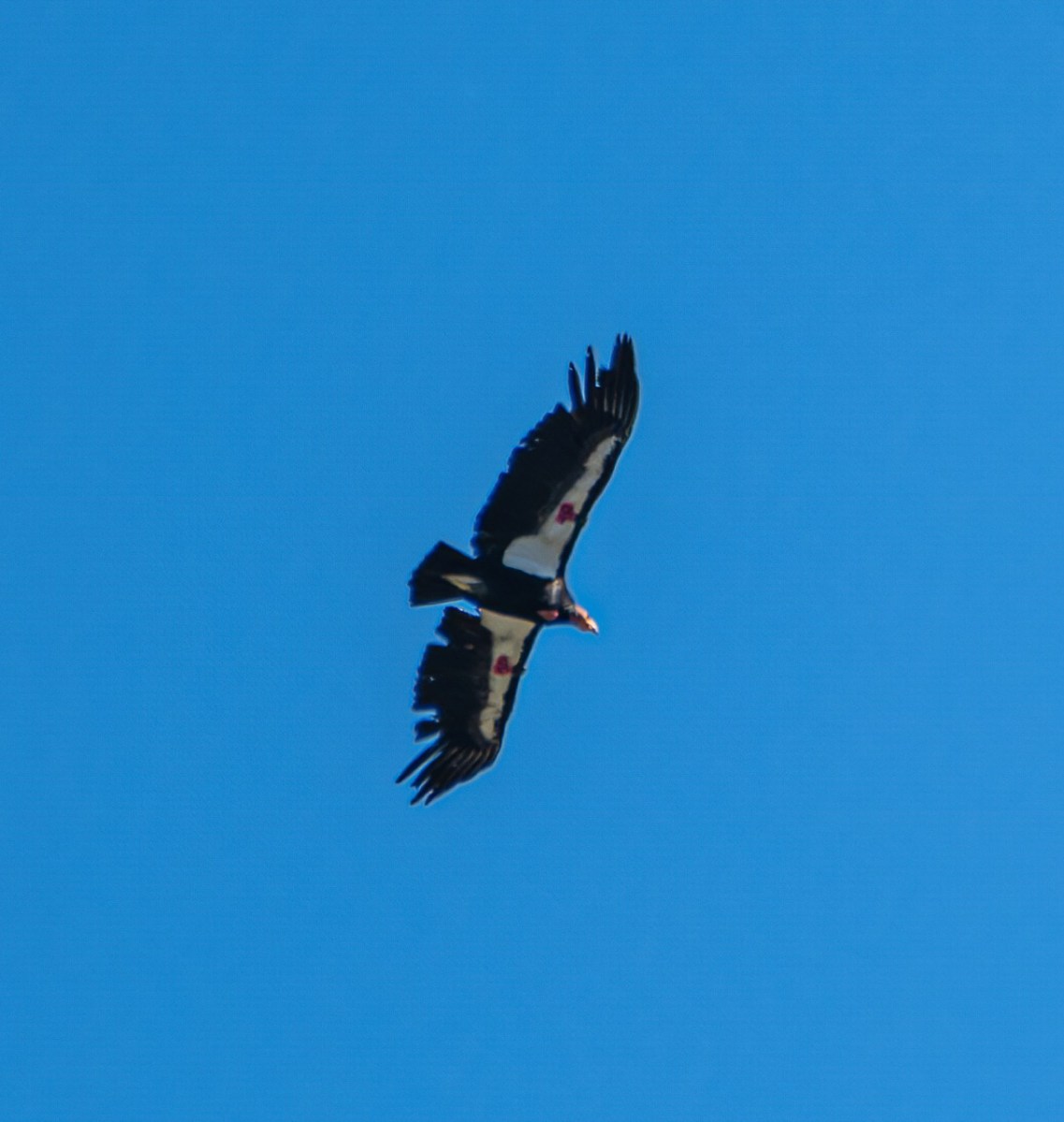
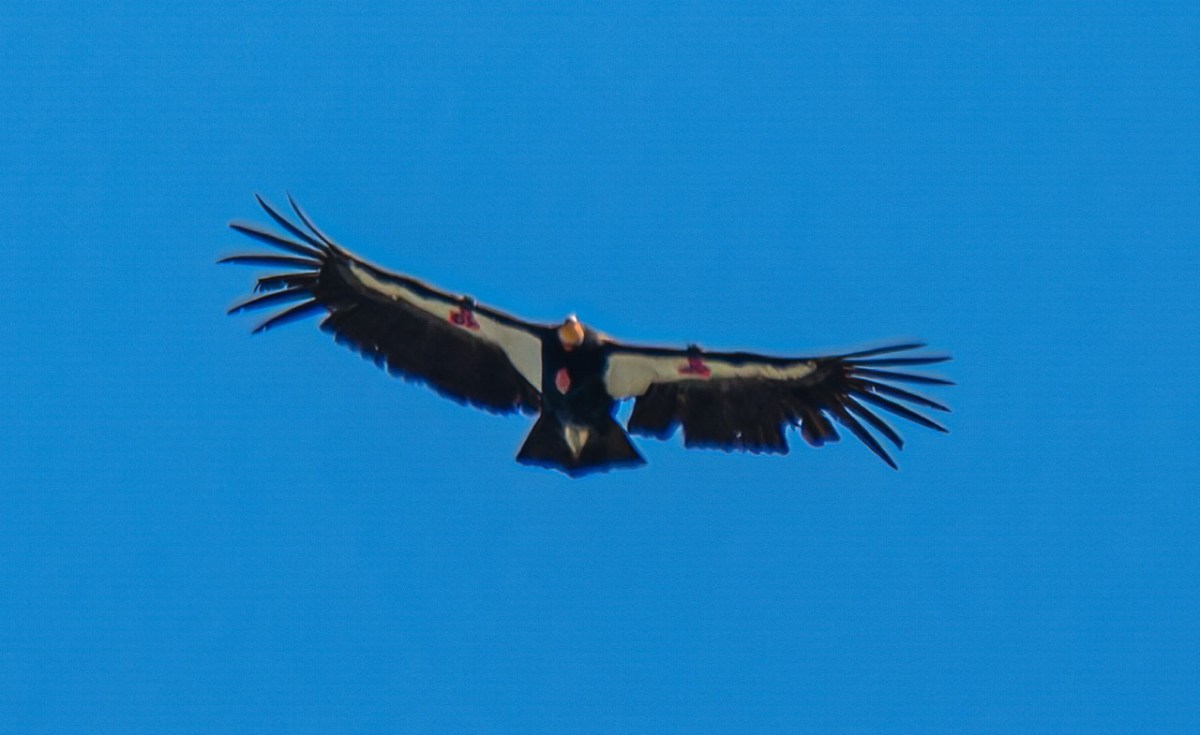
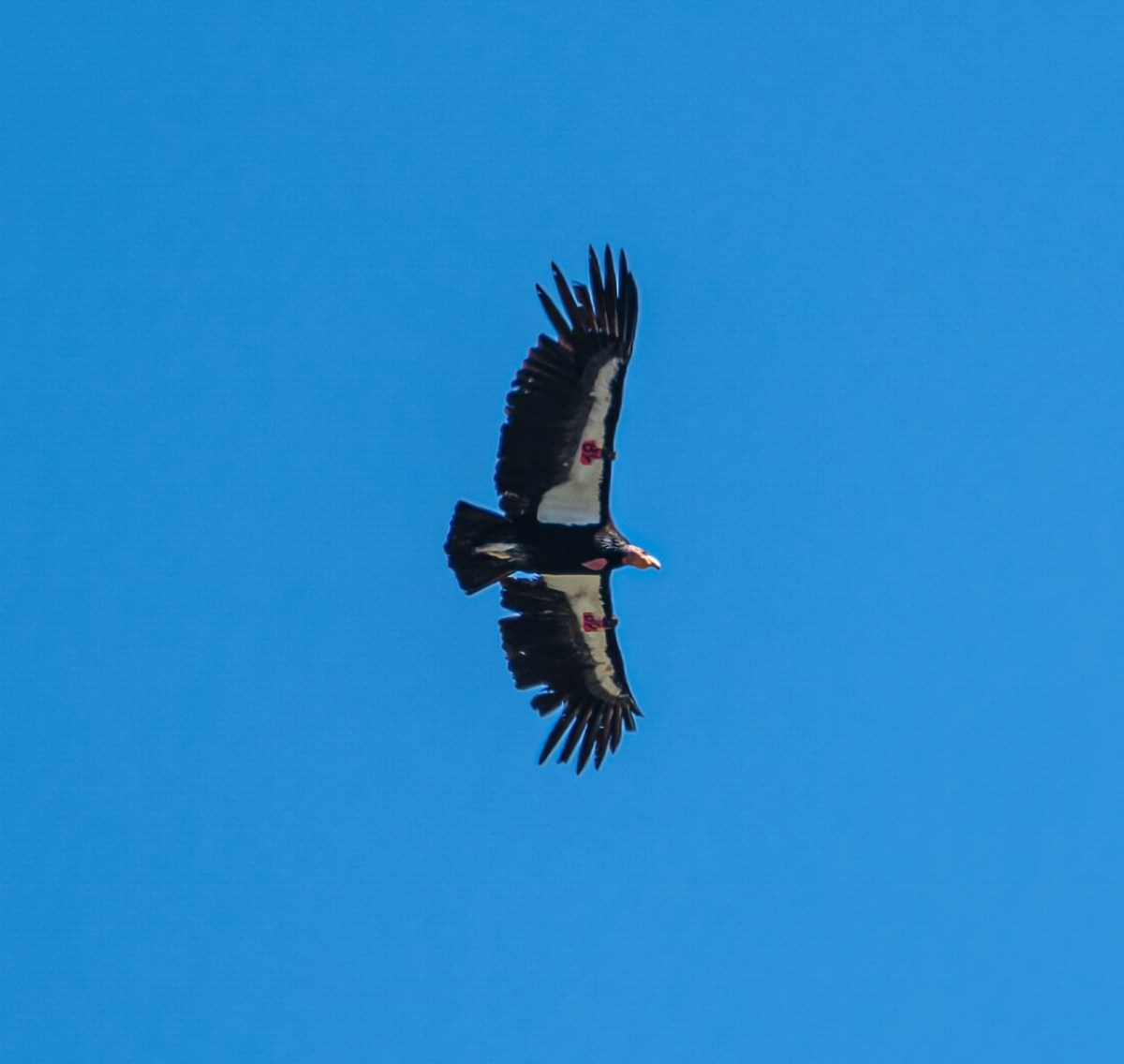
This one is Narcissa, #889 — every condor here carries a wing tag and a number, and the park keeps profiles on all of them so you can look up exactly who you’ve spotted.
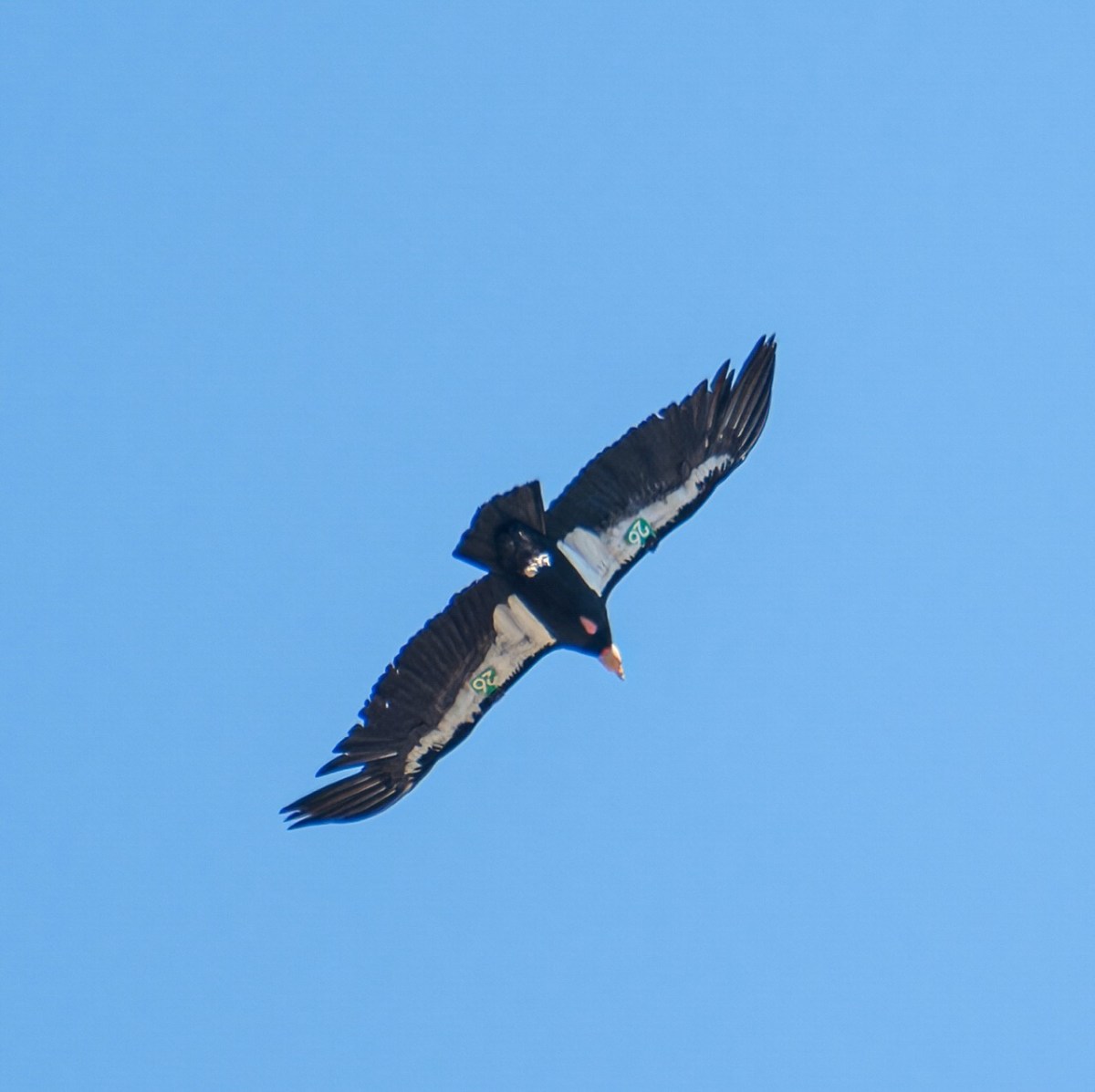
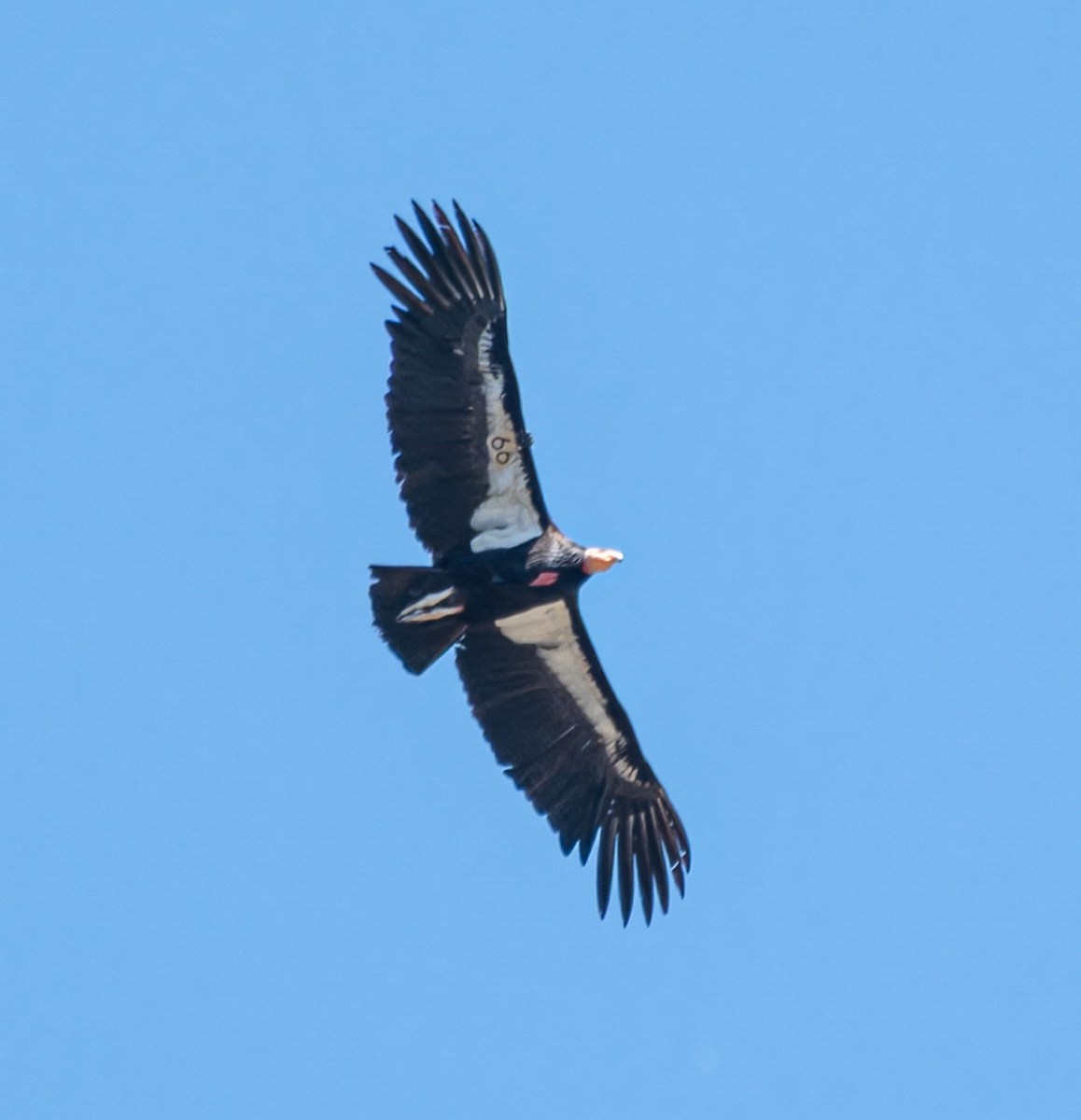
And this one’s Little Stinker, #726 — the tags always throw up a good name. Between the two of them, easily the highlight of the day.
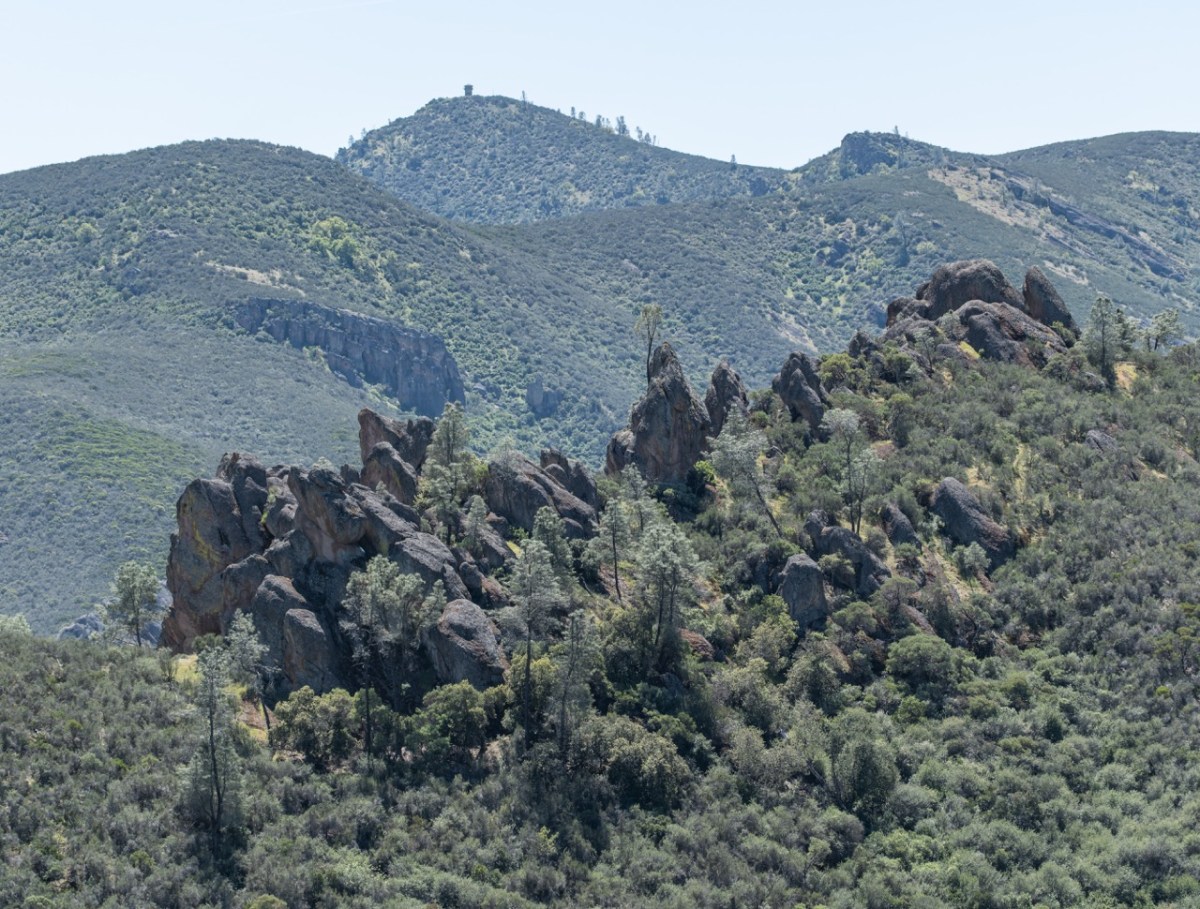
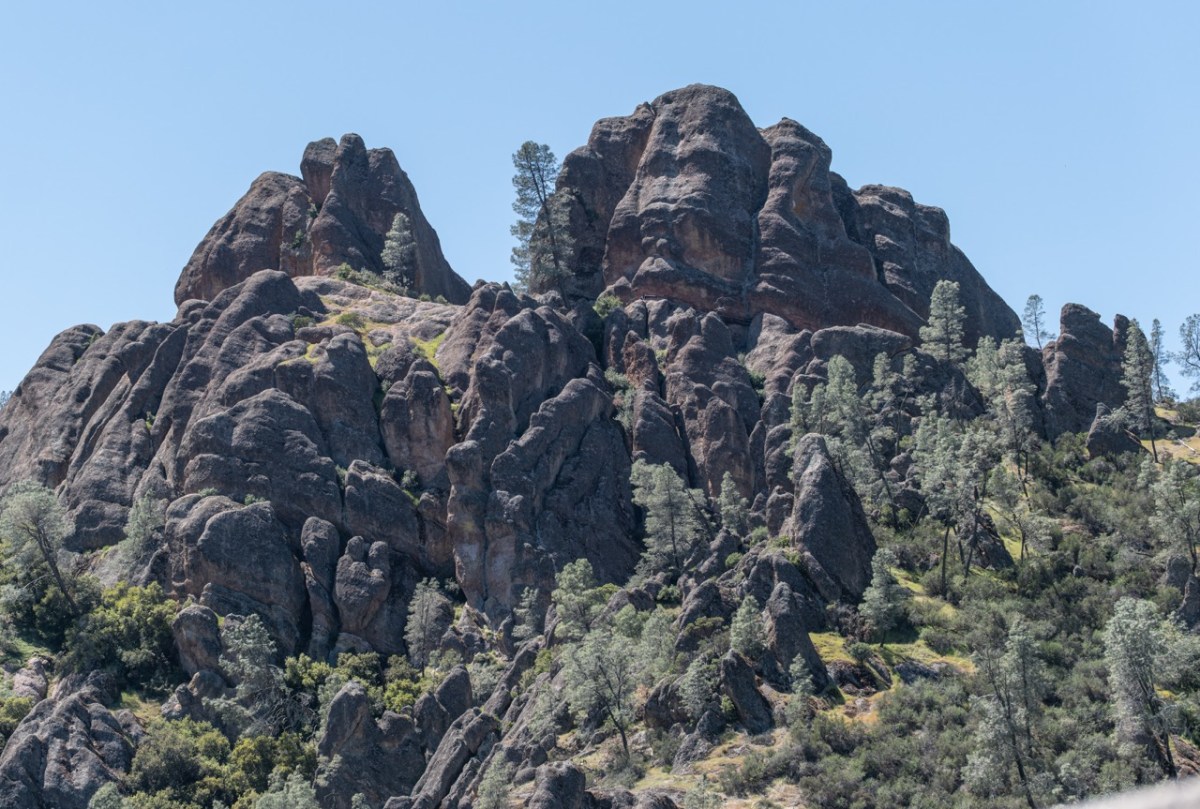
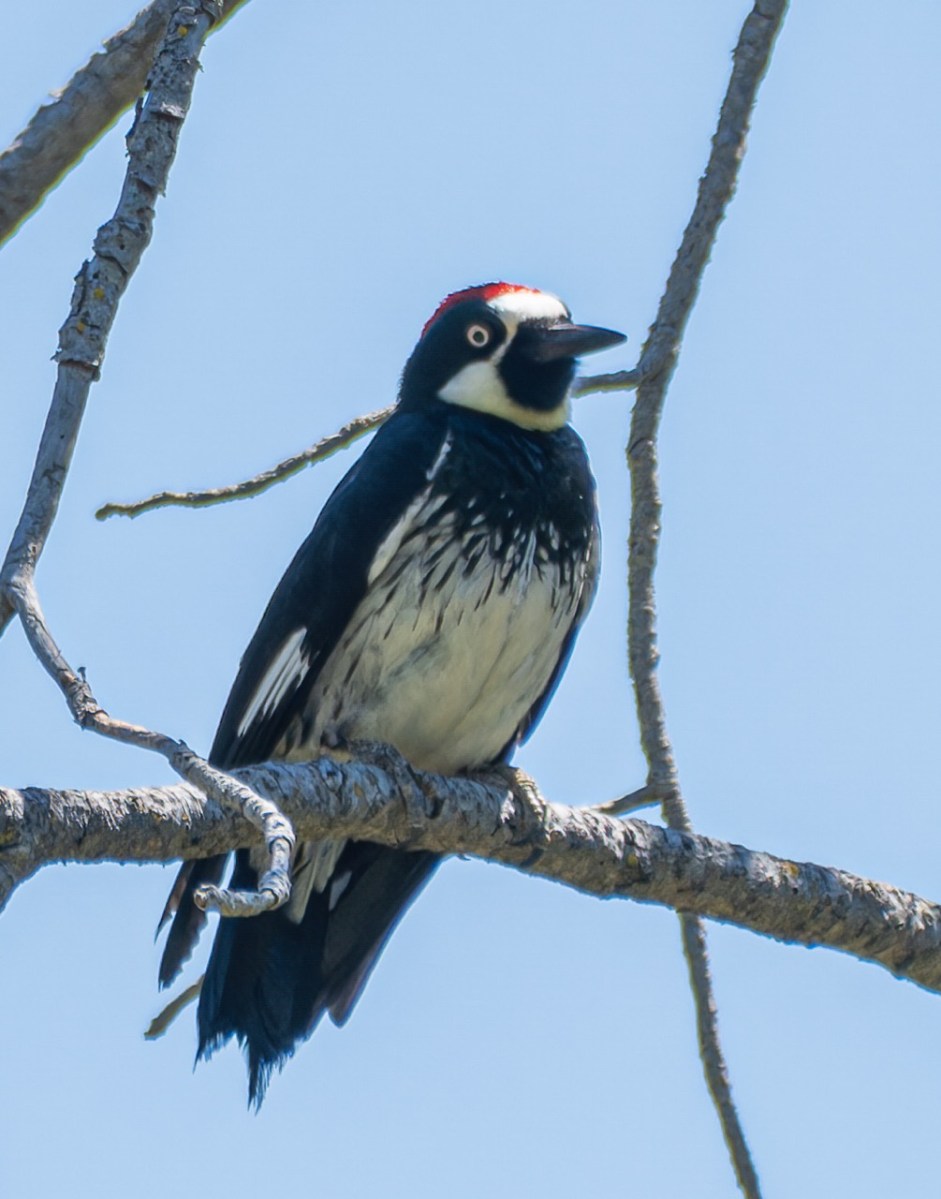
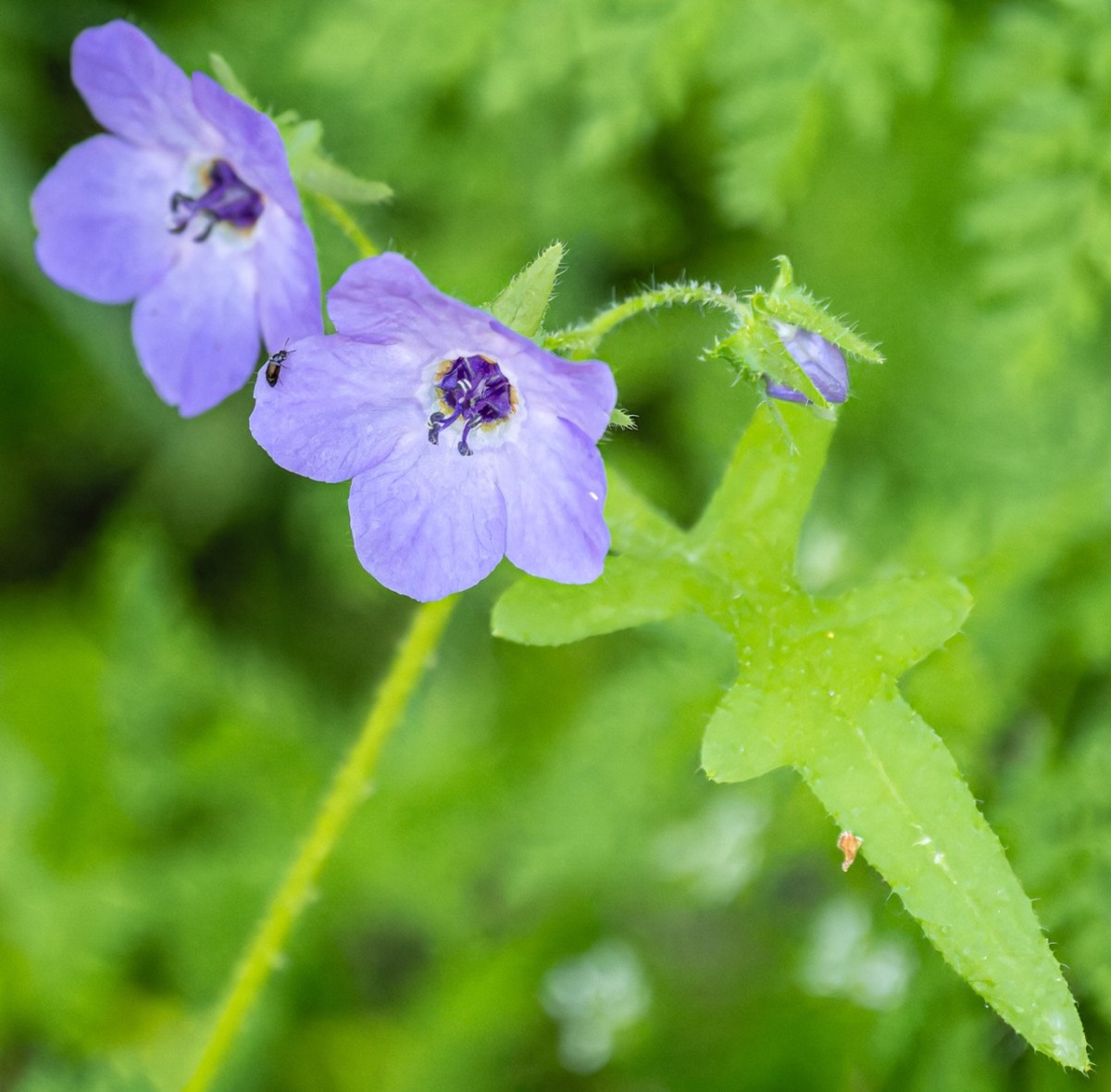
The rest of Condor Gulch Trail delivered an acorn woodpecker, a blue fiestaflower, and a coast range fence lizard sunning itself before the light went.
Day Two: The Carrizo Plain
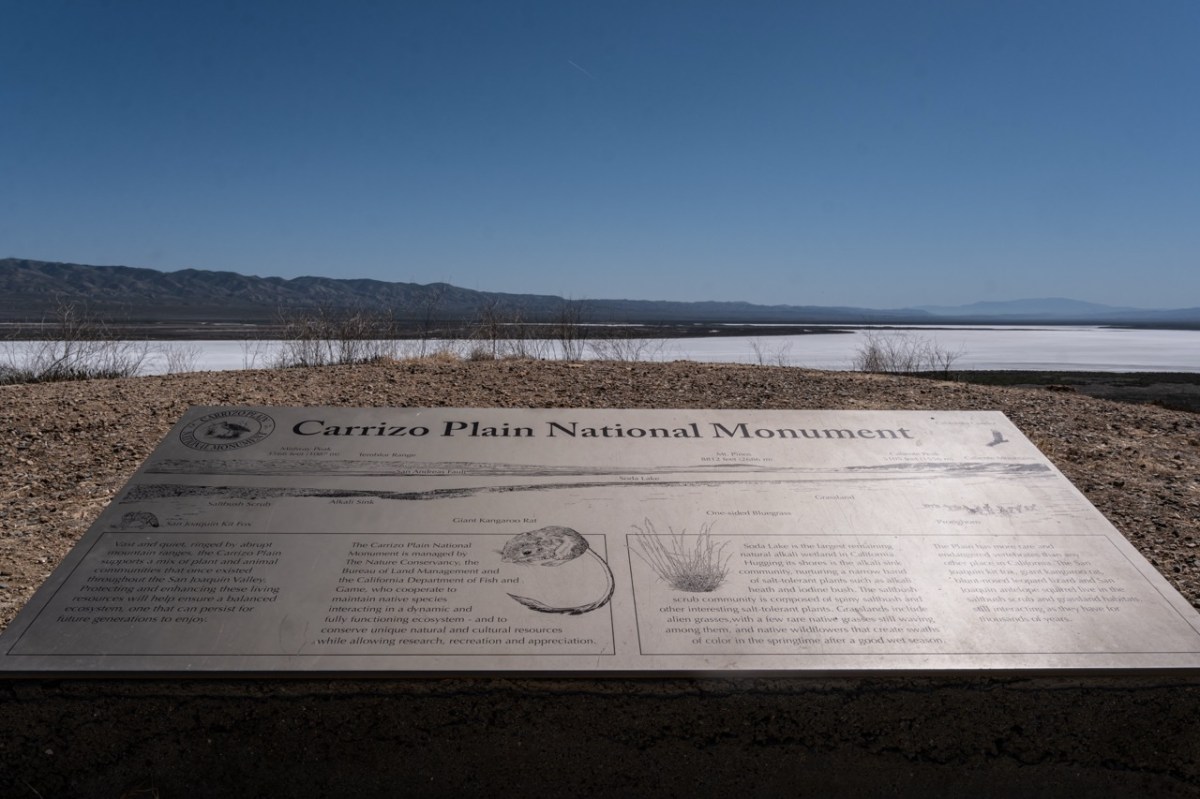
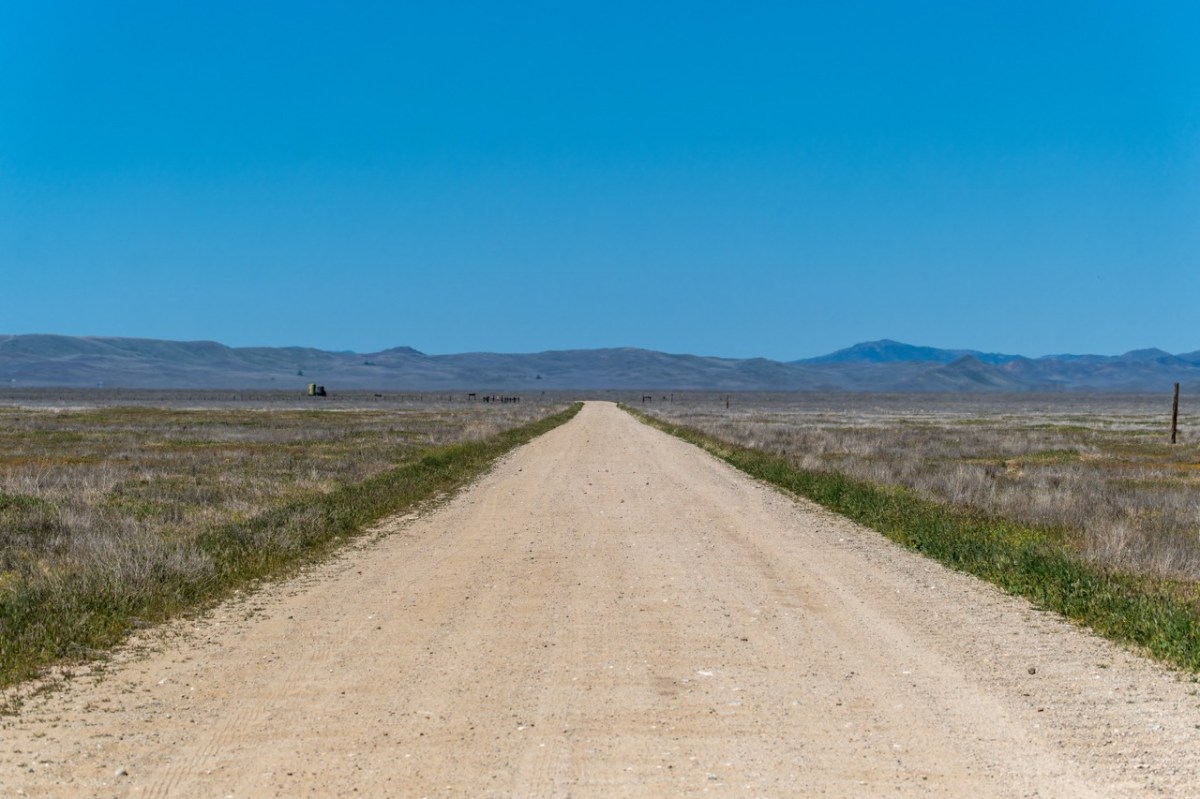
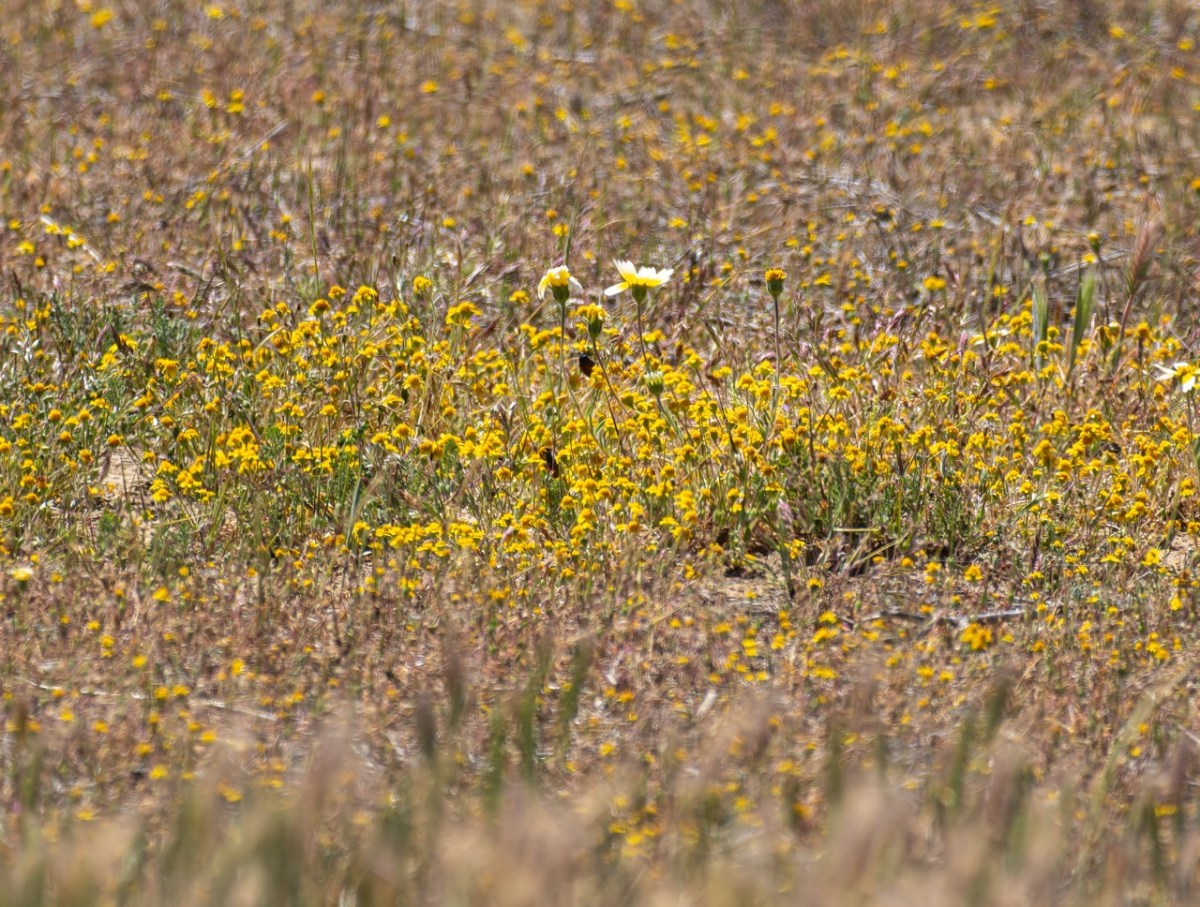
Onto the Carrizo Plain proper the next day — 250,000 acres of grassland along the base of the Temblor Range, and one of the emptiest, quietest places left in California. The San Andreas Fault runs right along the edge of it, and it’s one of the few spots where you can actually see its surface trace from ground level. 2025 turned out to be a strong wildflower year here too, with hillside daisies, goldfields, and phacelia carpeting the hills the way they only do every few seasons.
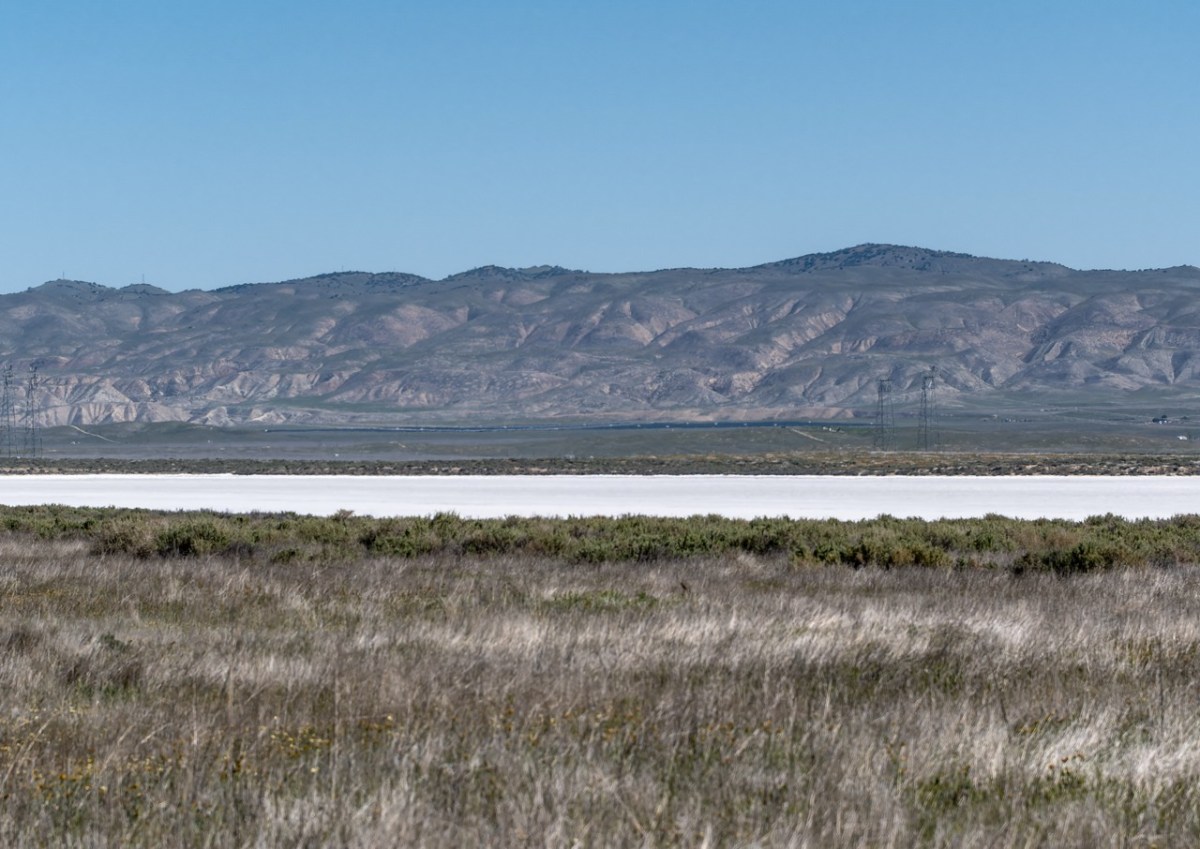
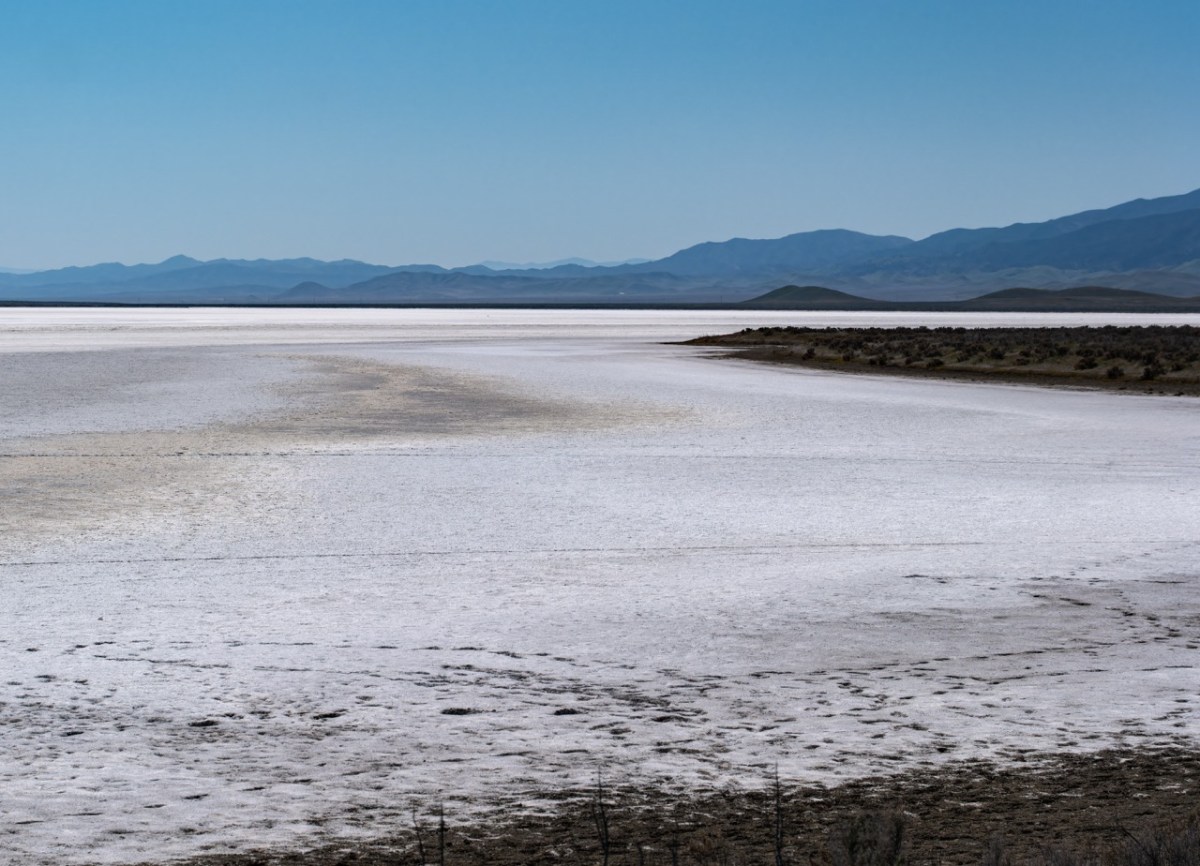
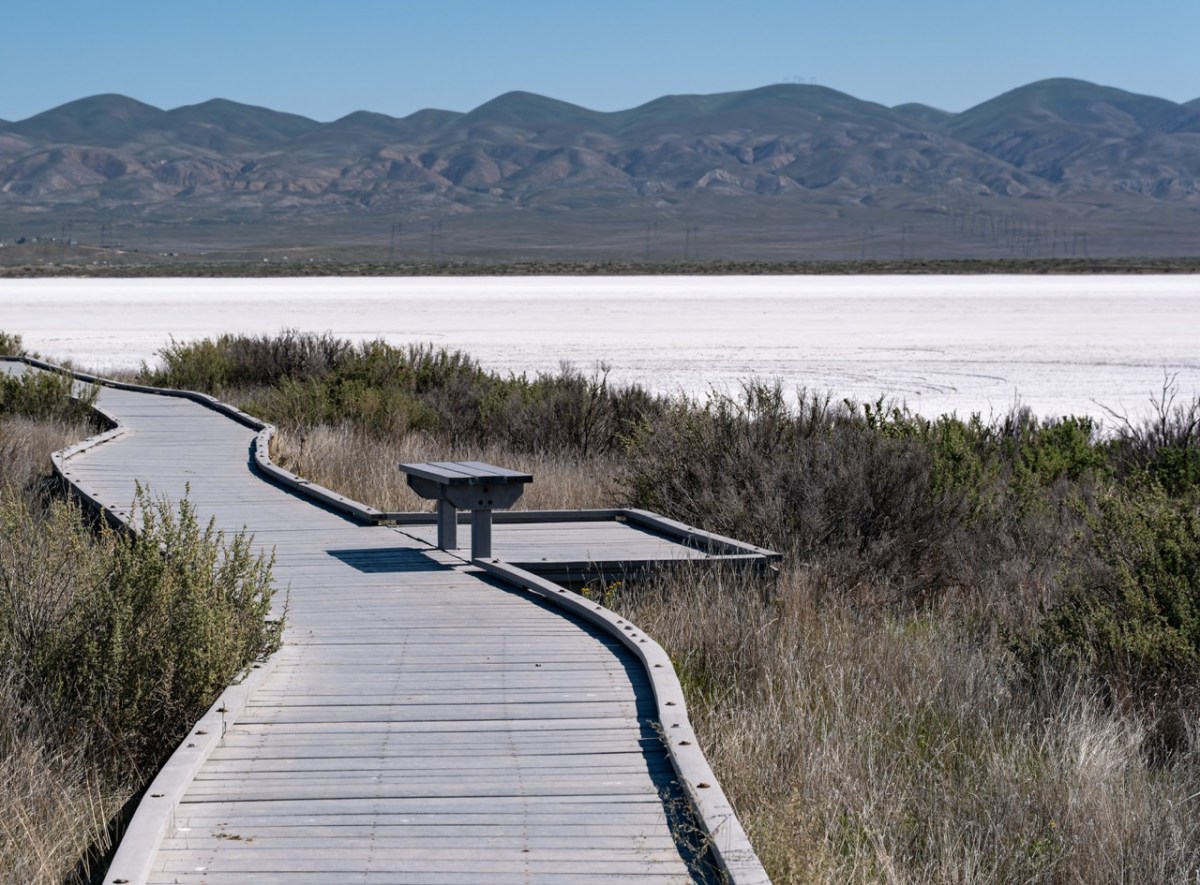
Soda Lake itself is the centrepiece — normally a dry alkali flat, but with water in it this visit, throwing back the colour of the surrounding hills. It’s the largest natural alkali wetland left in southern California, with nowhere for the water to drain except straight up into the air.
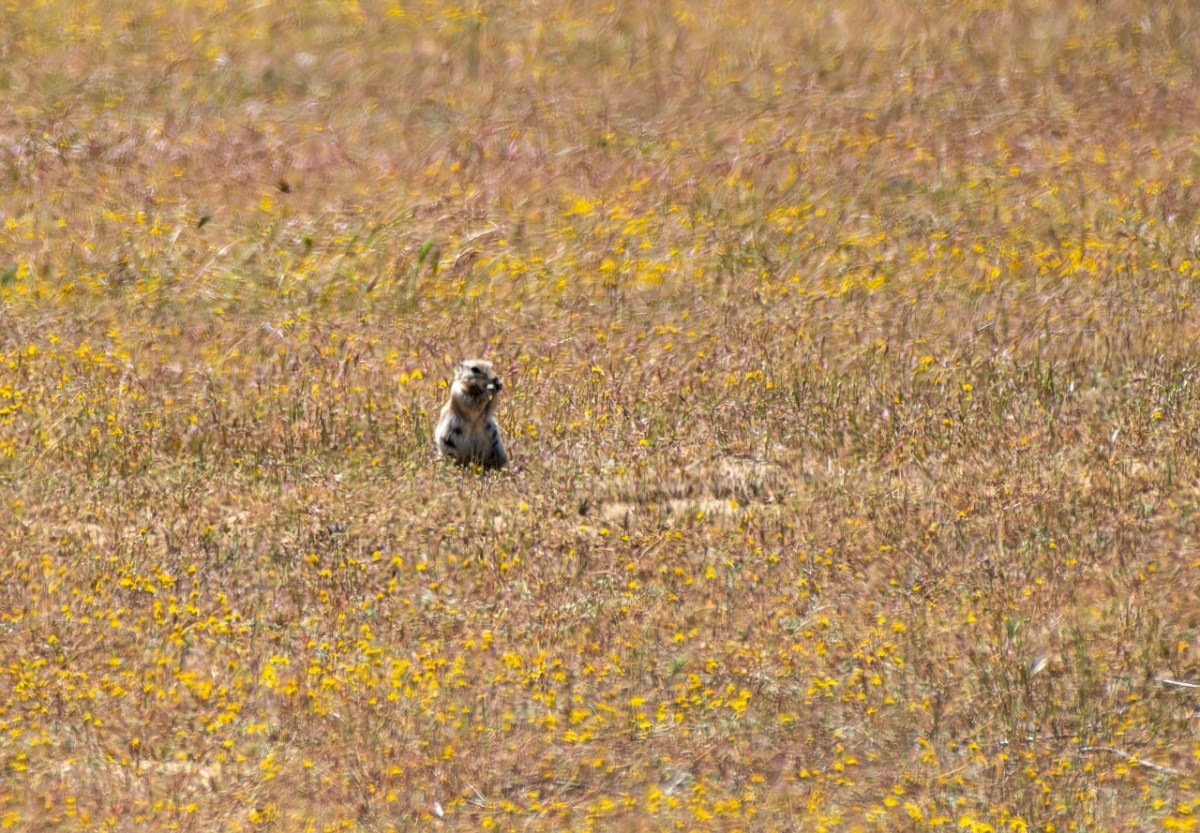
A gopher popping up out of its burrow along the way — the plain has one of the highest concentrations of threatened and endangered wildlife anywhere in California, from giant kangaroo rats to pronghorn, though this fellow was a much more common resident.
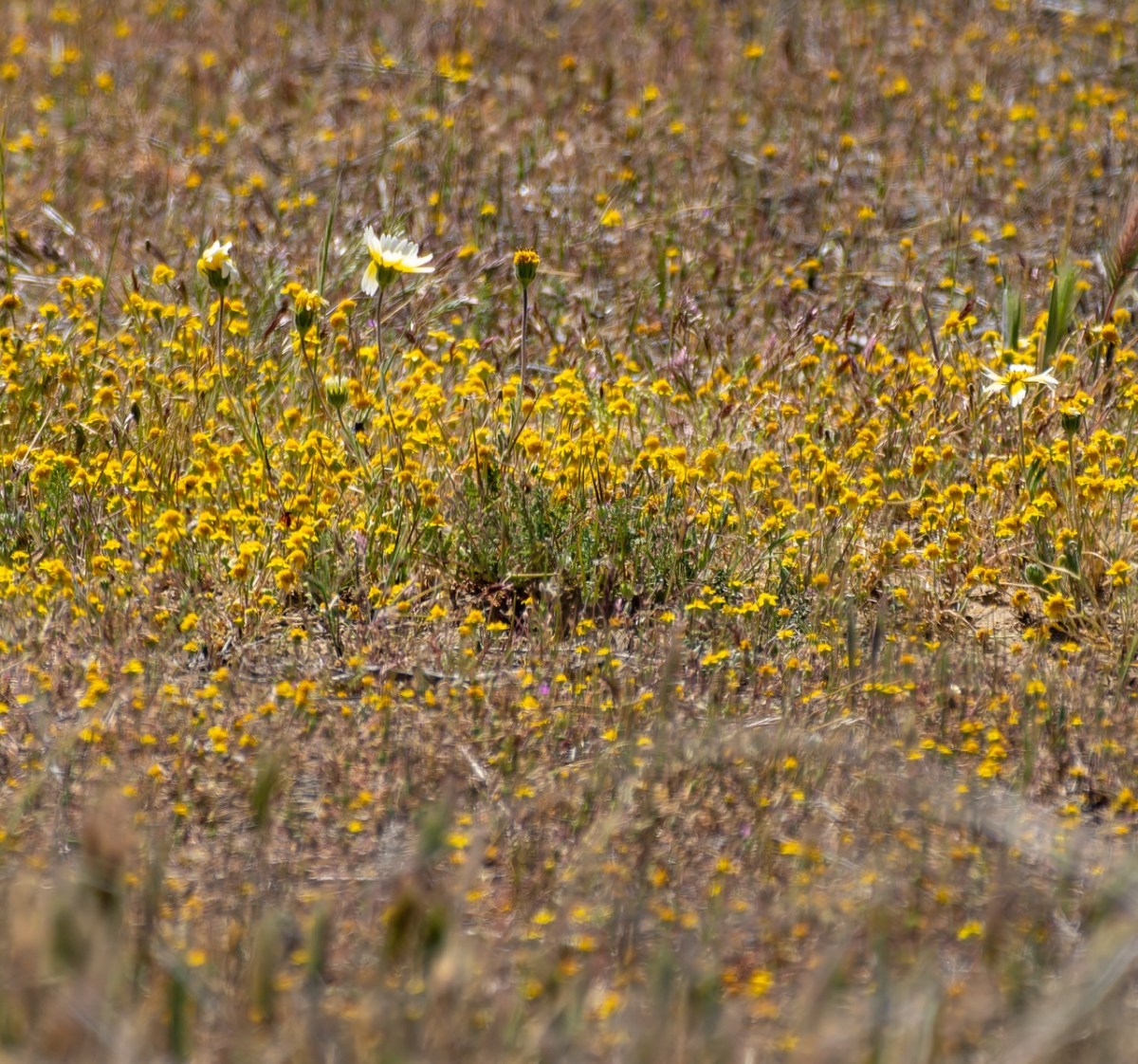
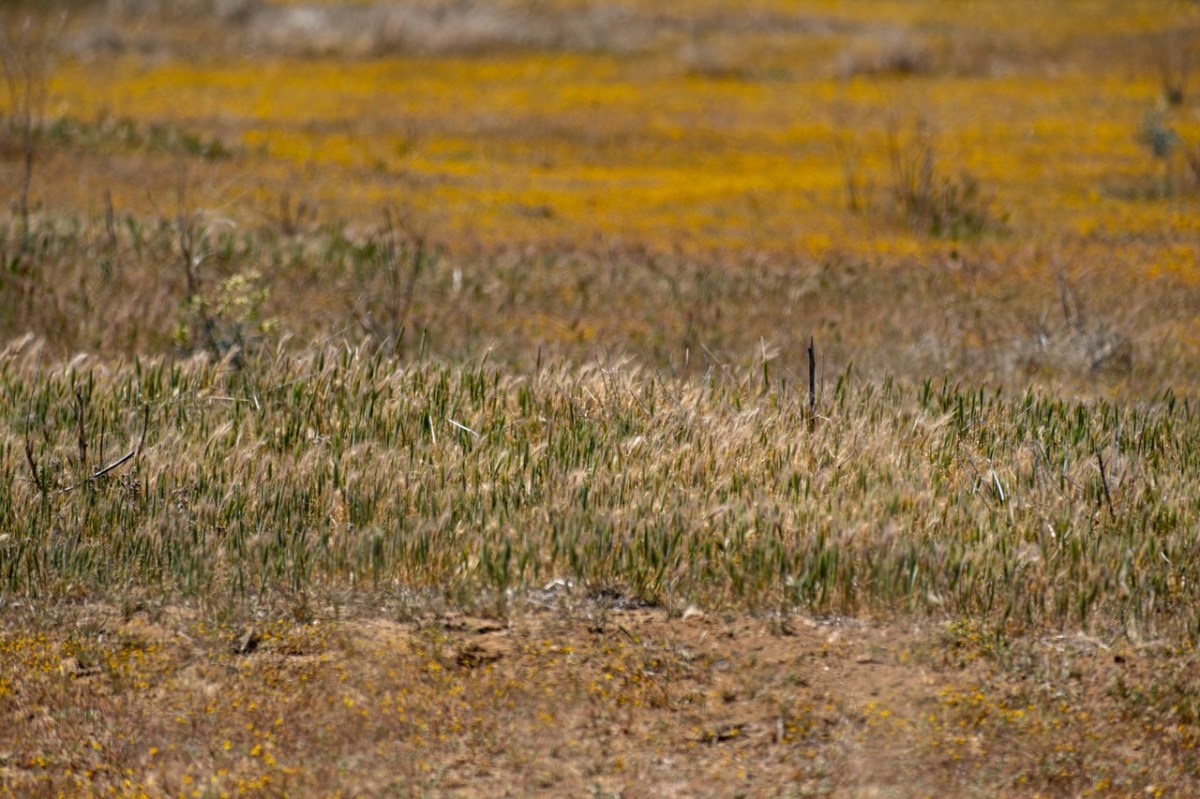
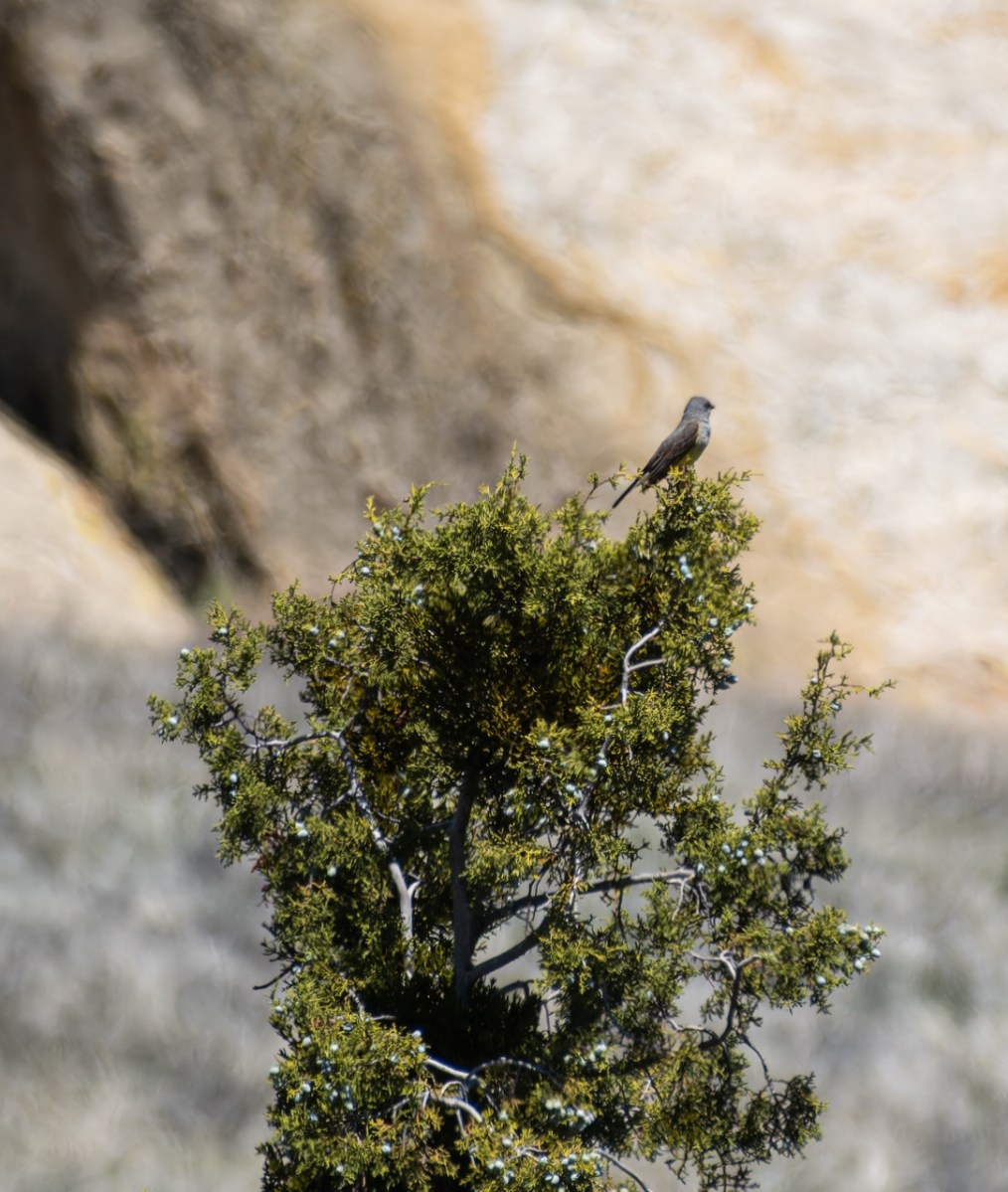
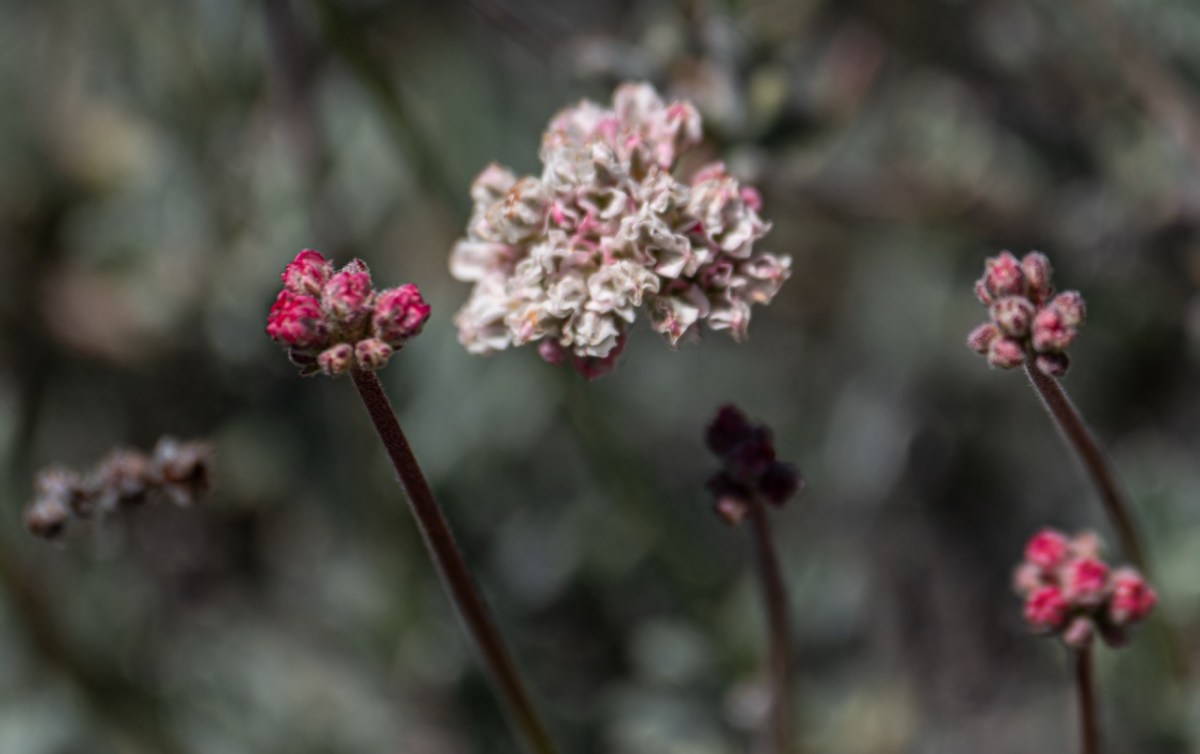
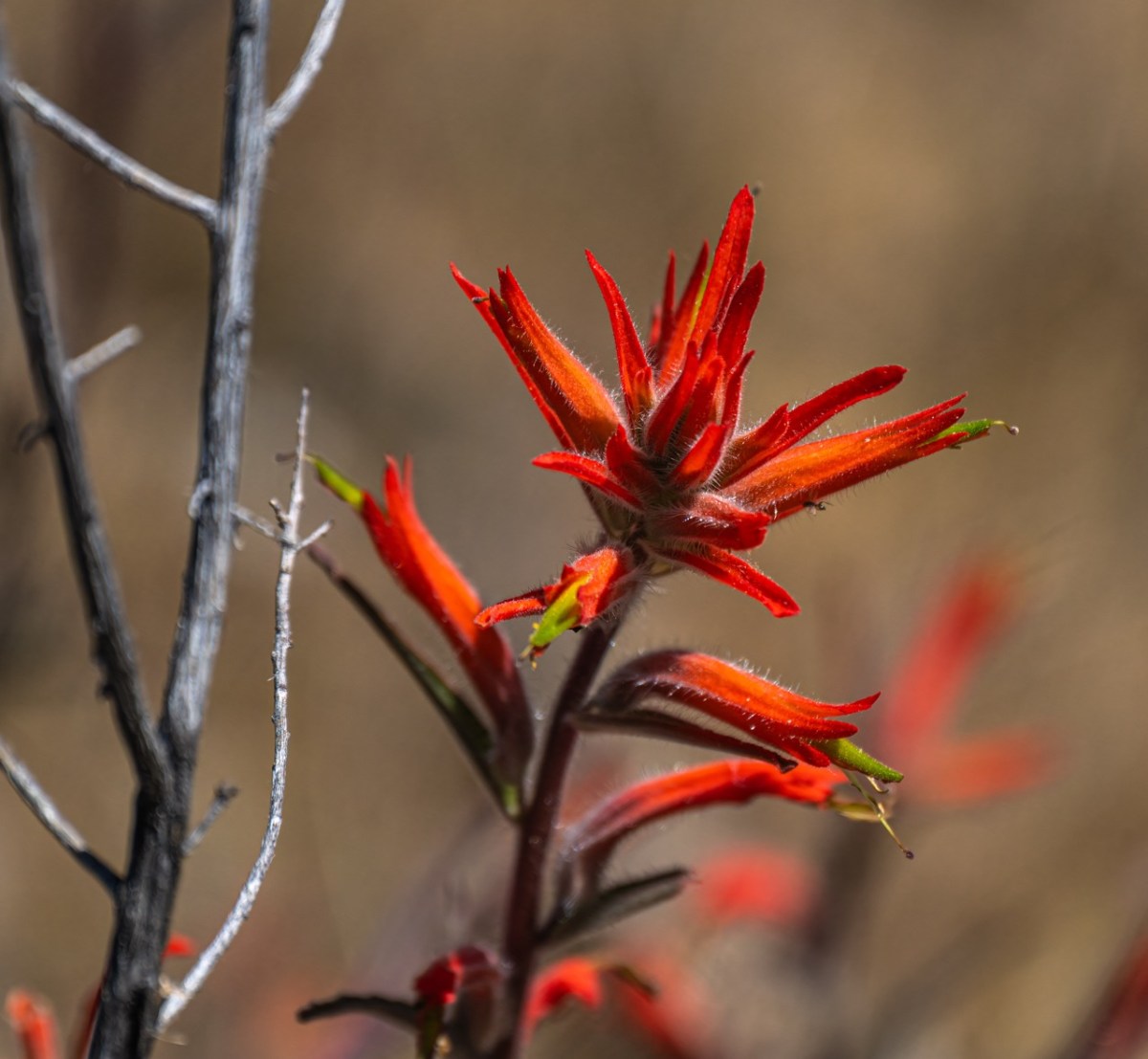
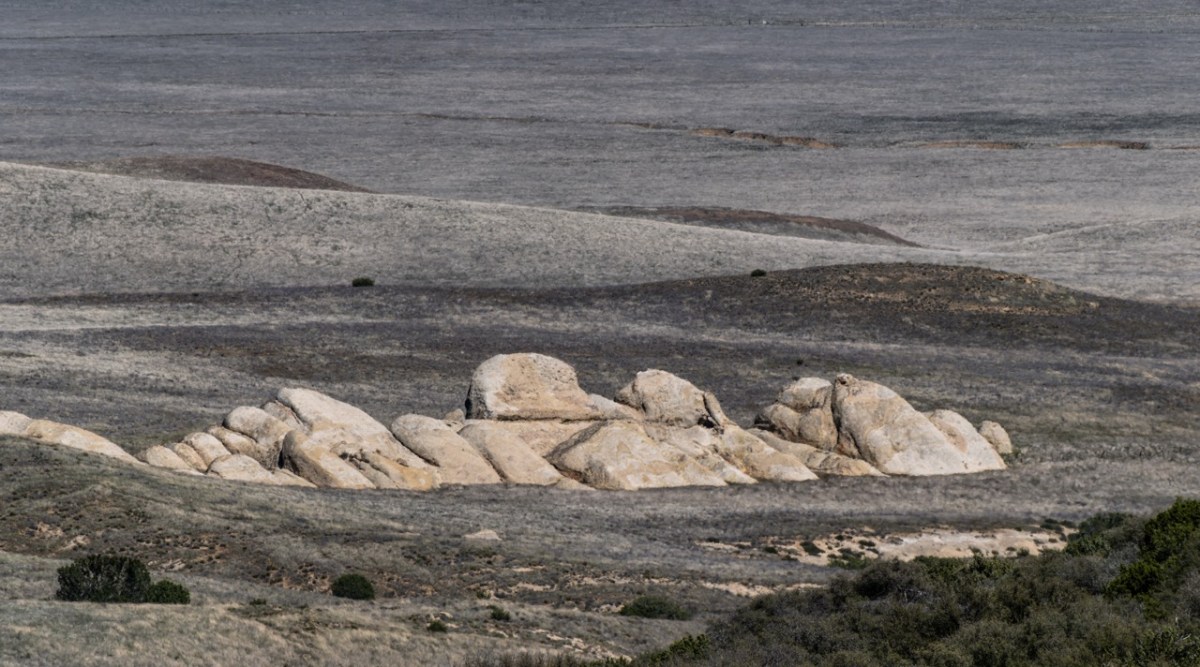
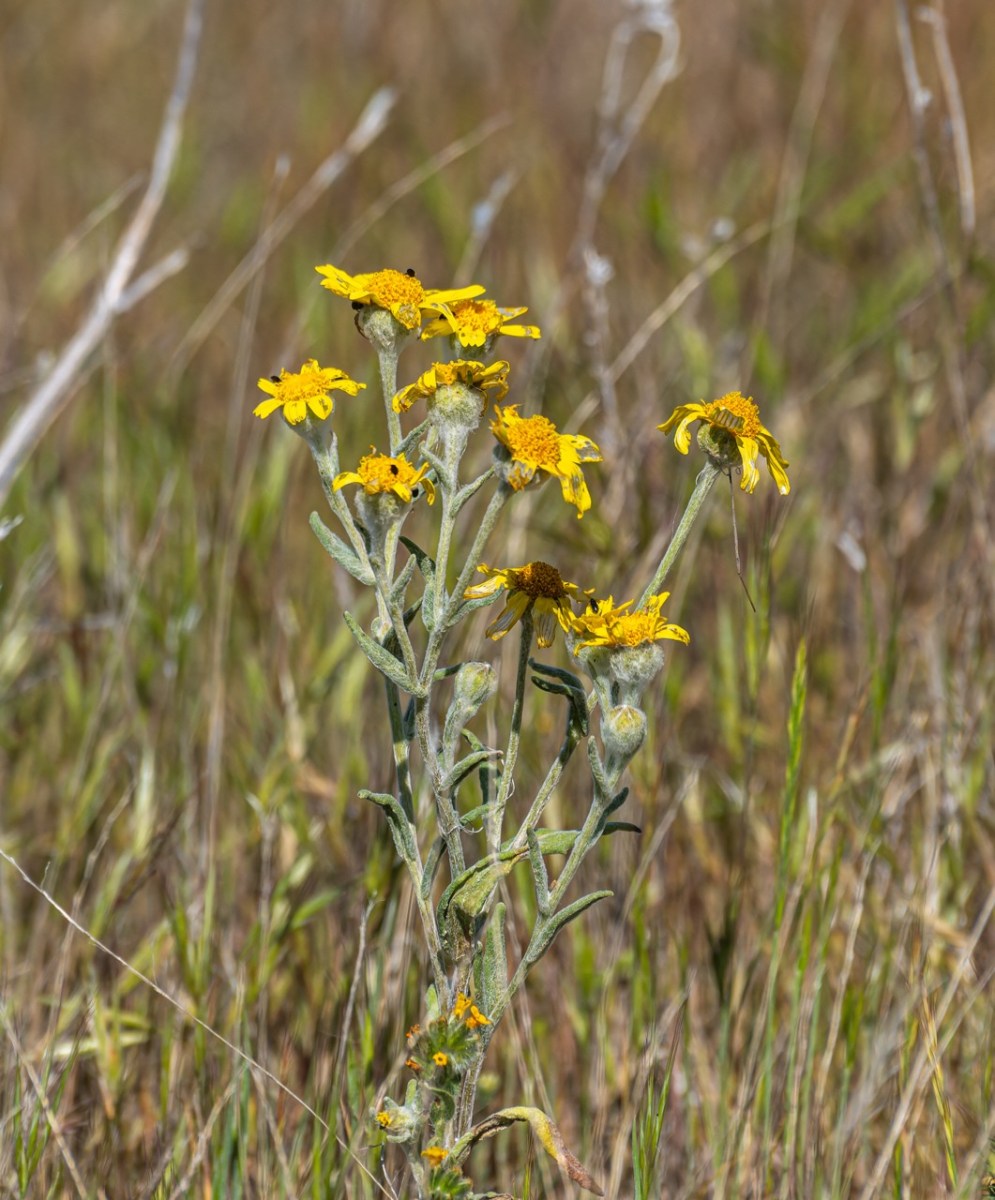
A western kingbird, and a good run of wildflower close-ups through the middle of the day — coast buckwheat, desert Indian paintbrush, and a rock formation or two along the way.
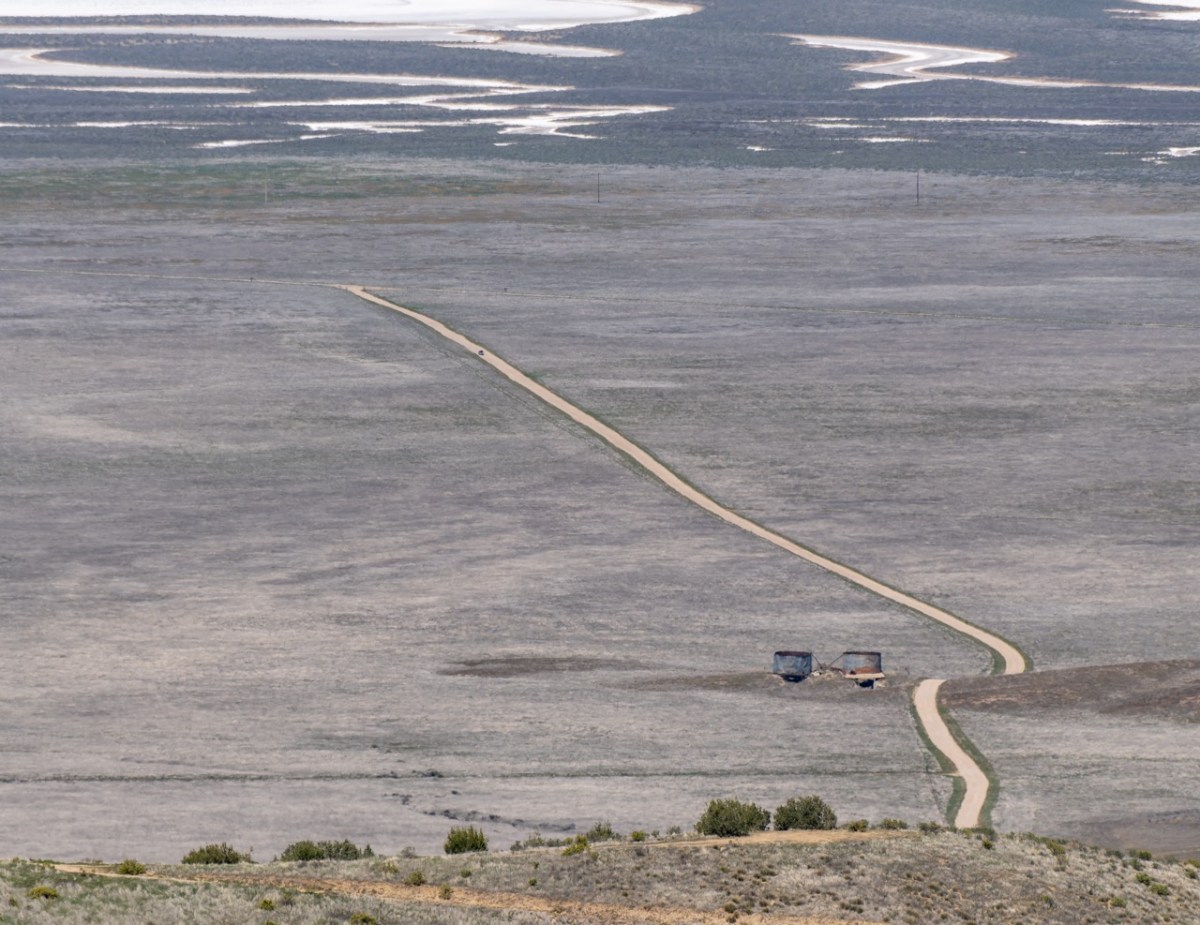
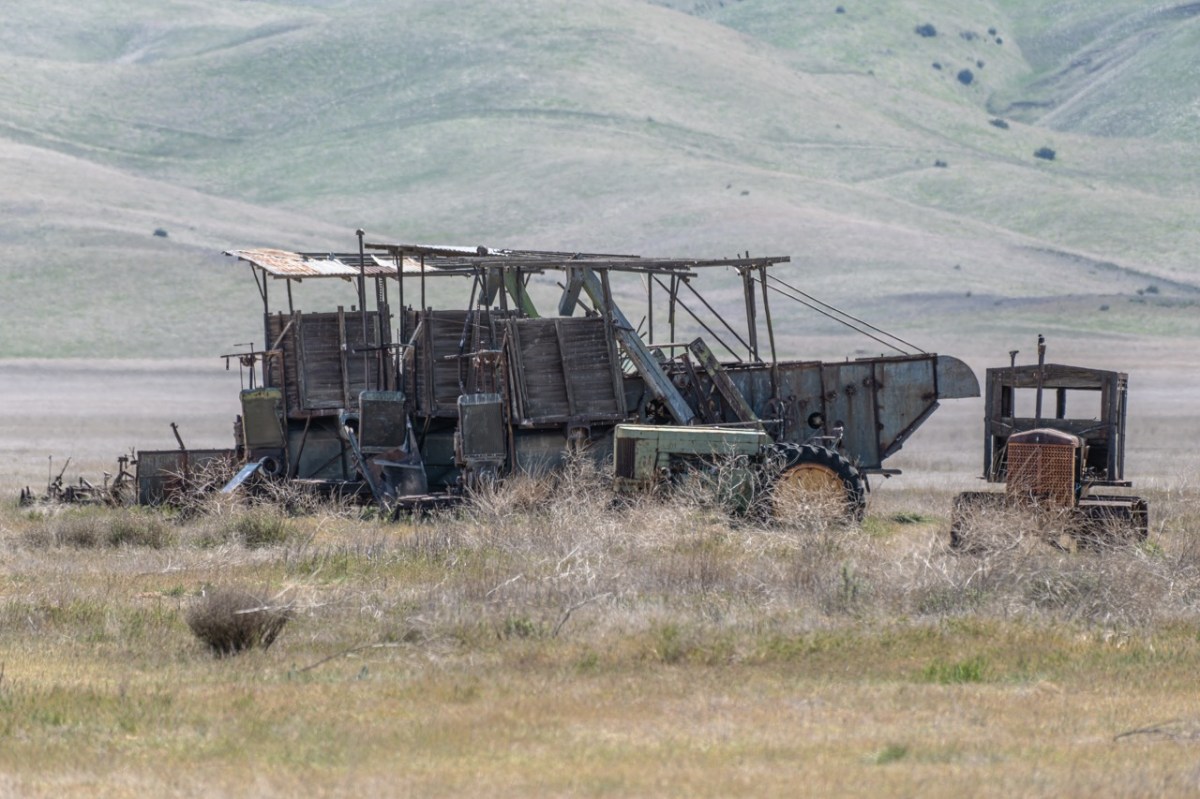
Then a stop by an old stretch of farm machinery, left over from the days before the land was sold back to conservation — Carrizo was ranched and farmed for the better part of a century before the federal government and The Nature Conservancy started buying it up in the 1980s and 90s.
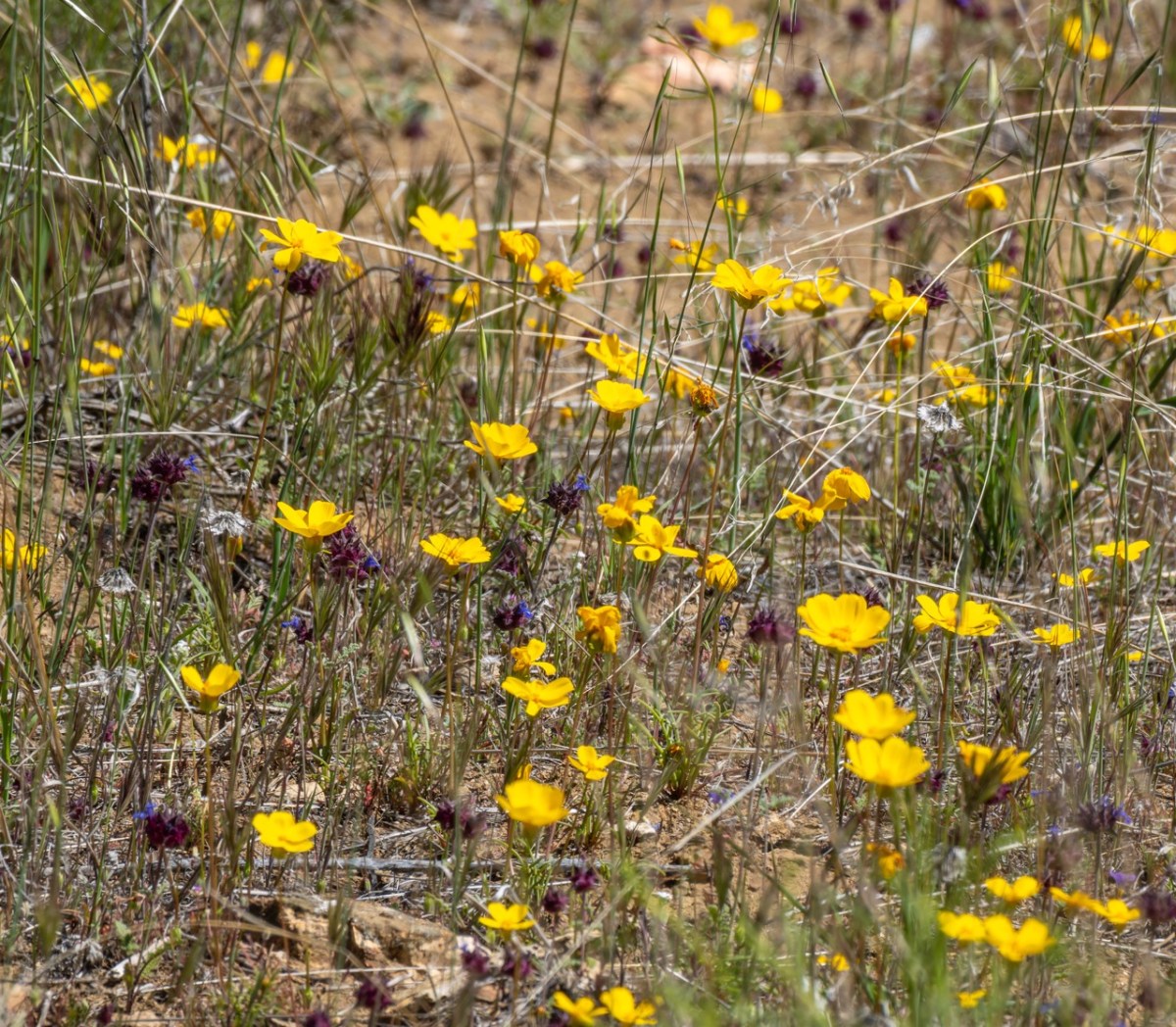
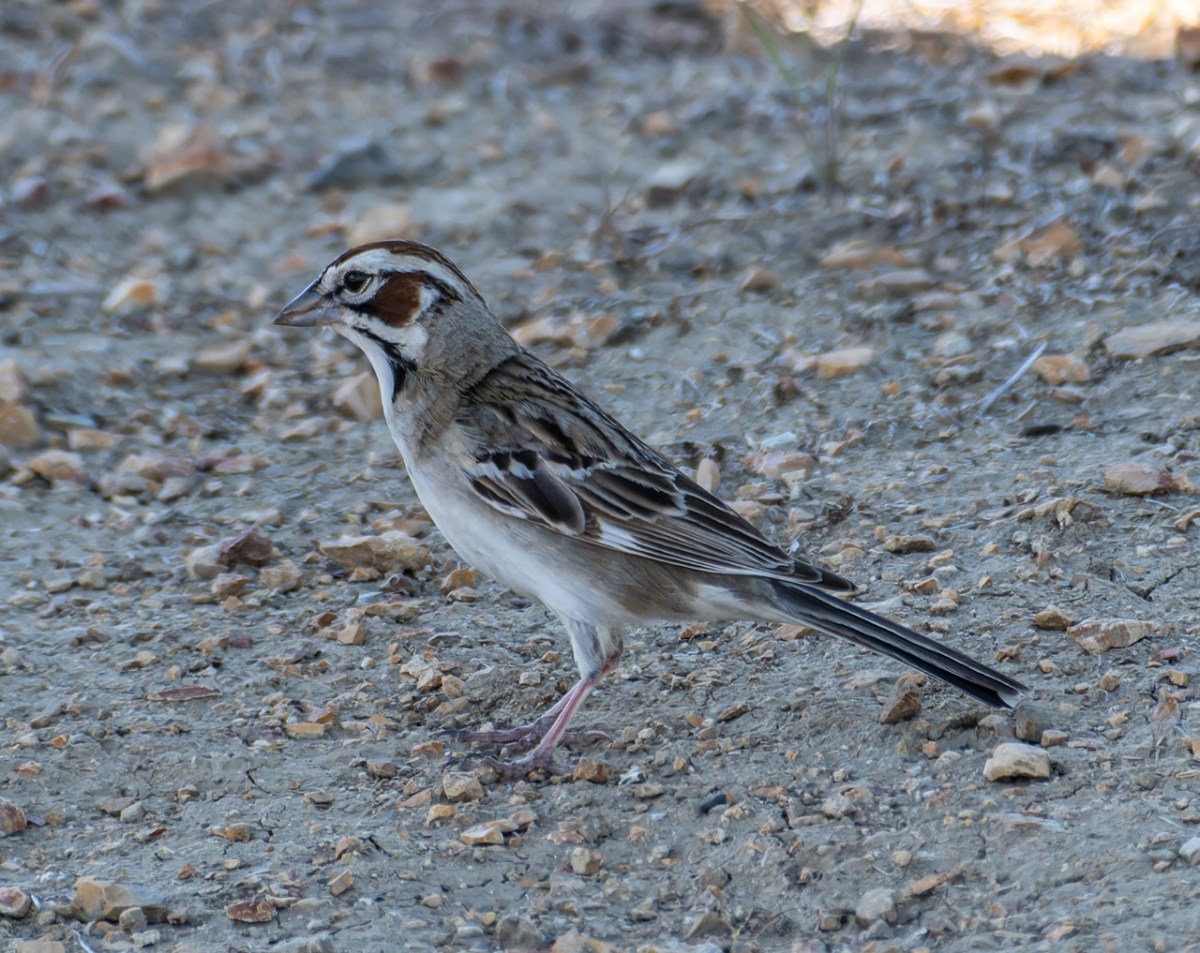
A lark sparrow to round out the birdlife, then one last stretch of wildflowers — monolopia carpeting the ground in that solid sheet of yellow you only get in a proper bloom year — before heading back toward the highway.
Day Three: Pinnacles, West Side
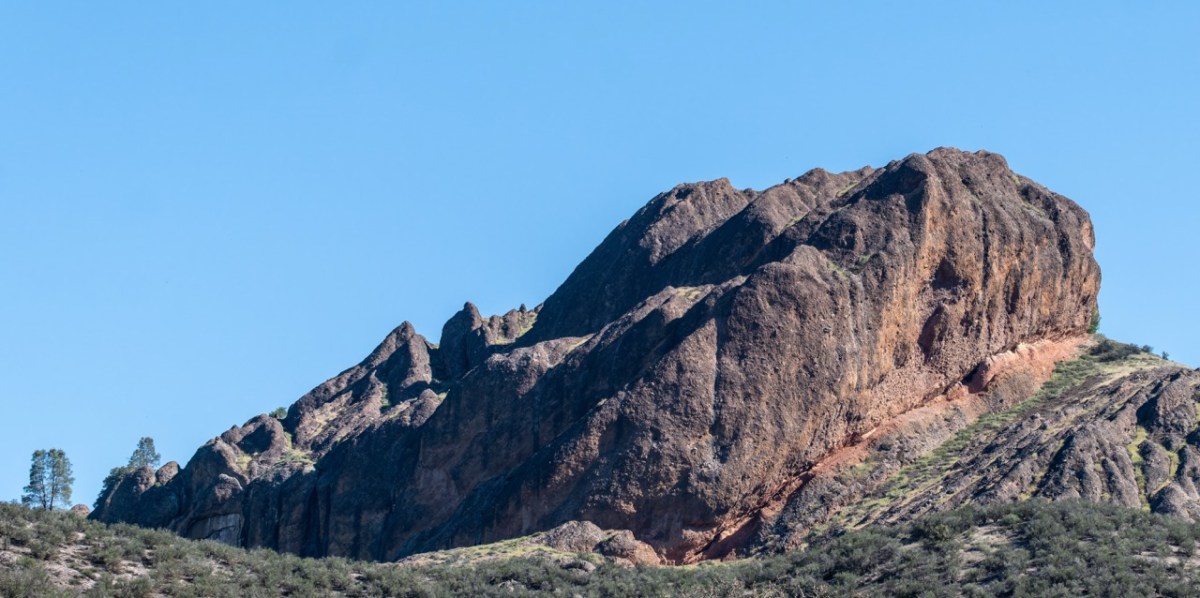
Back through Pinnacles on the way home, this time from the west entrance — a completely different feel to the east side, with the Balconies Cliffs trail winding beneath towering rock walls rather than open gulch.
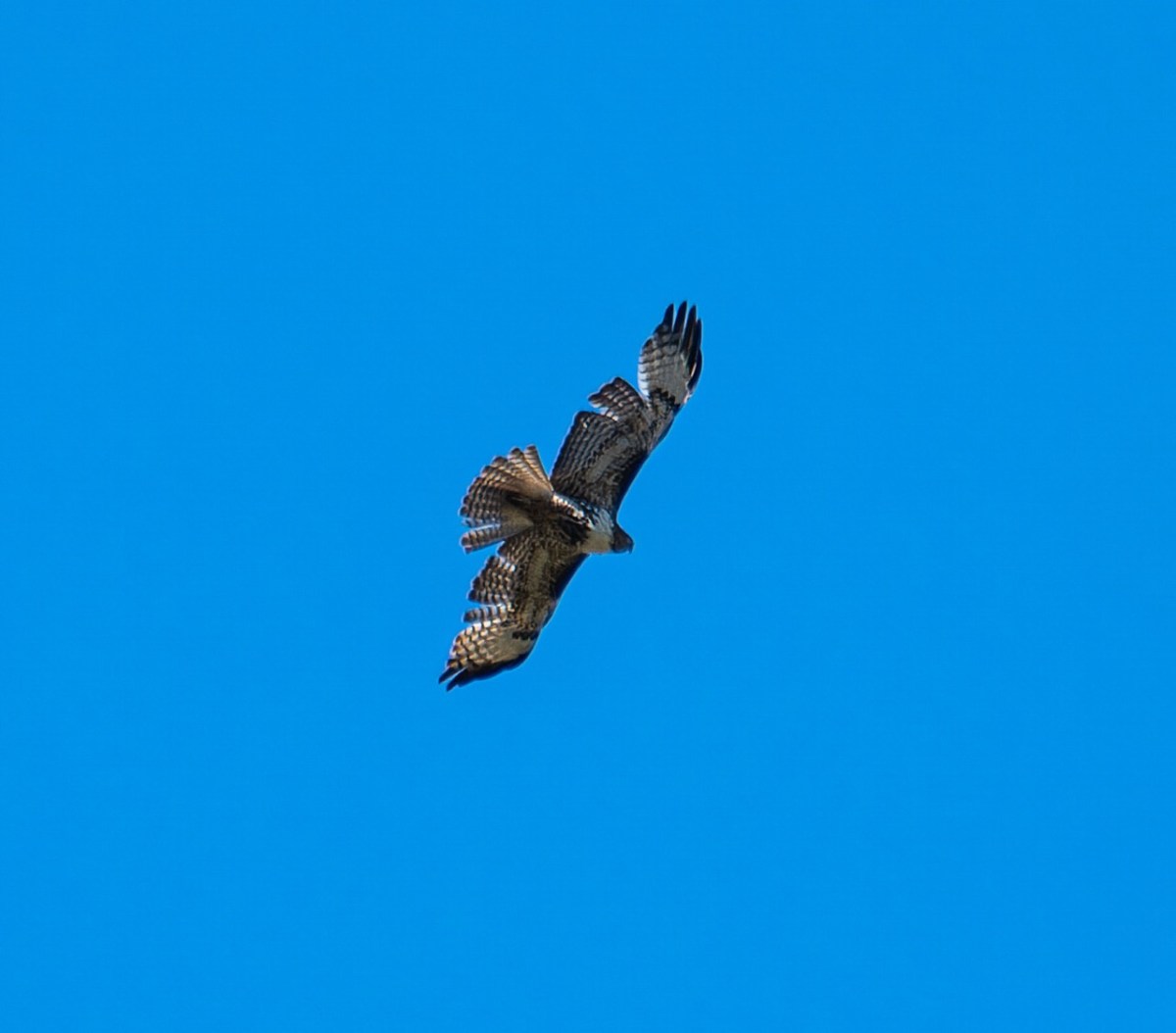
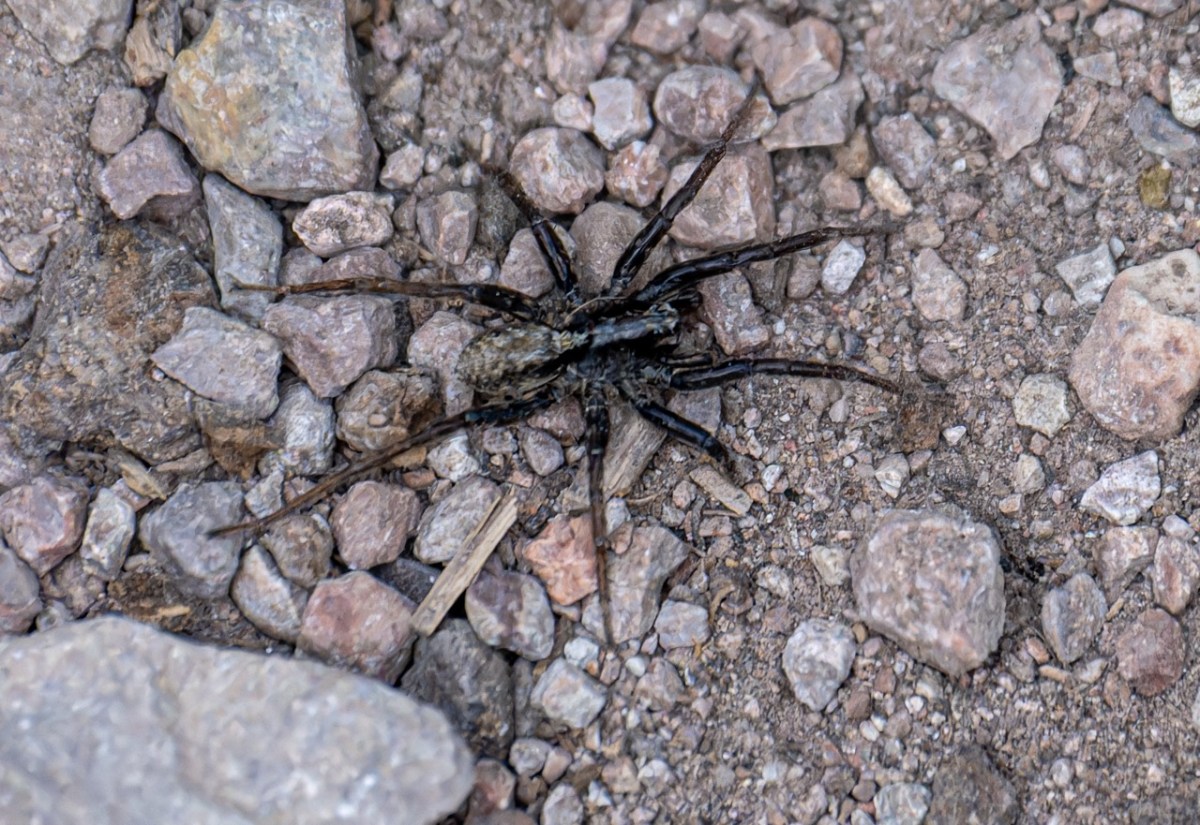
A red-tailed hawk to start, then a wolf spider tucked into the rocks along the trail.
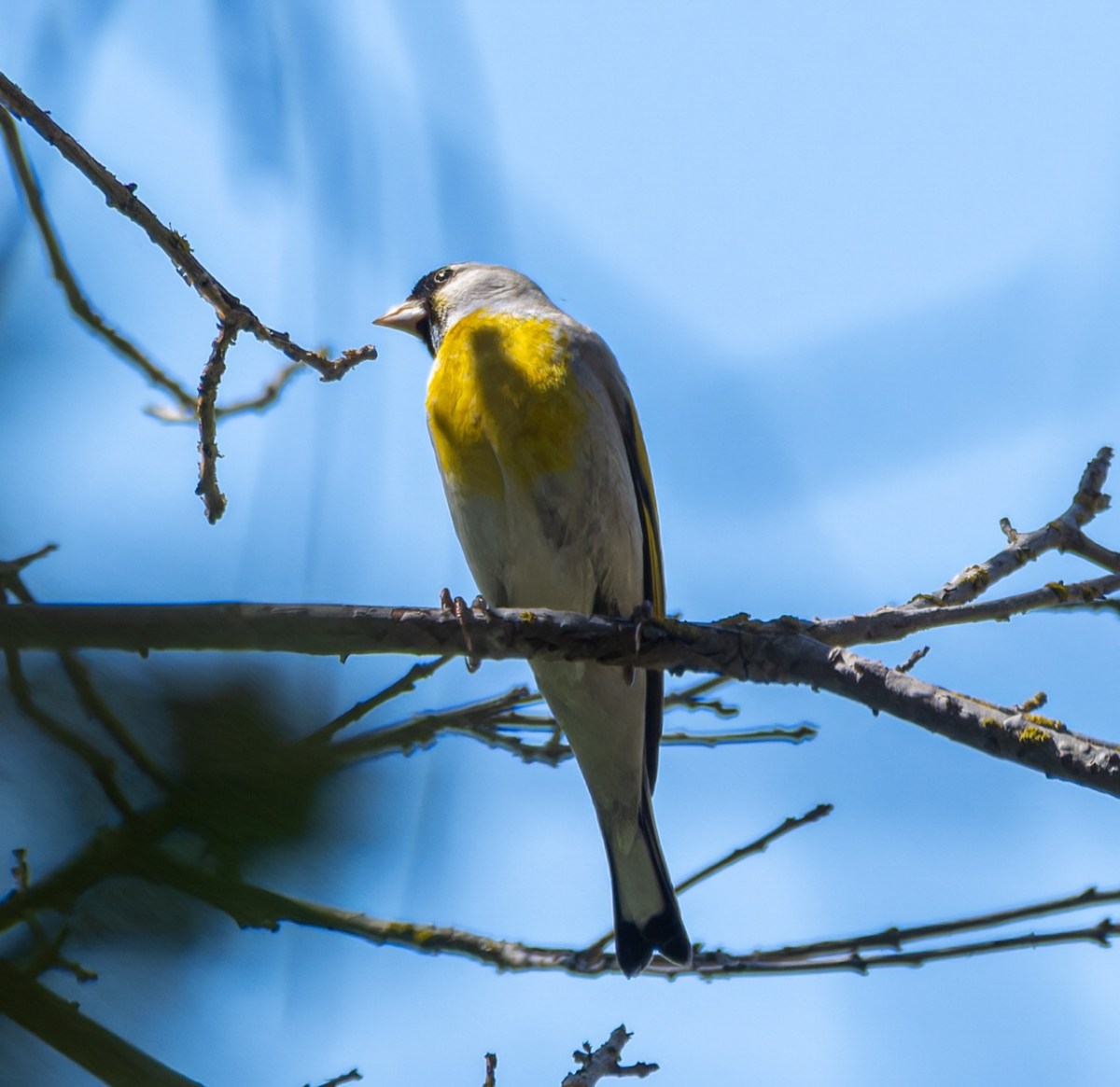
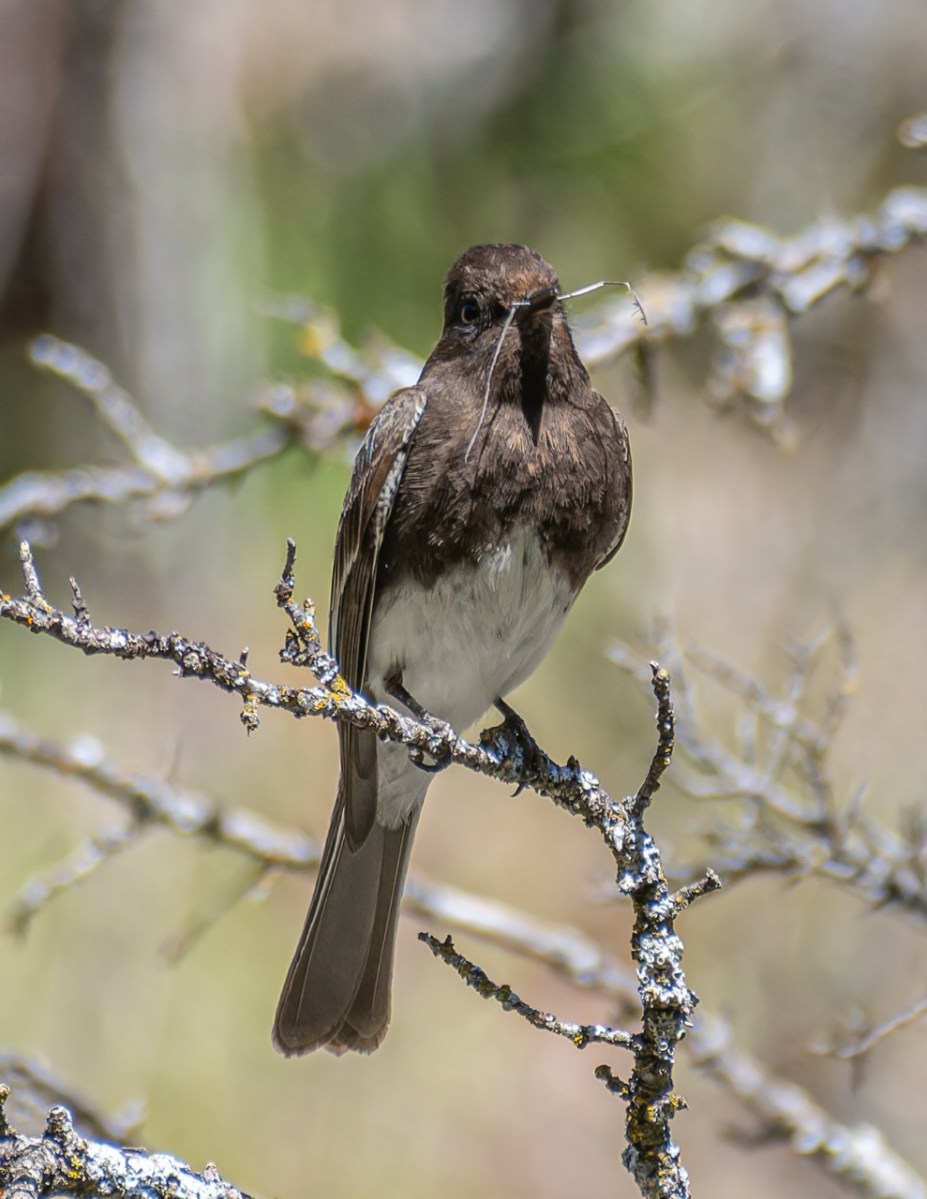
Then a black phoebe, and a good stretch of Balconies views before dropping down toward the cliffs themselves.
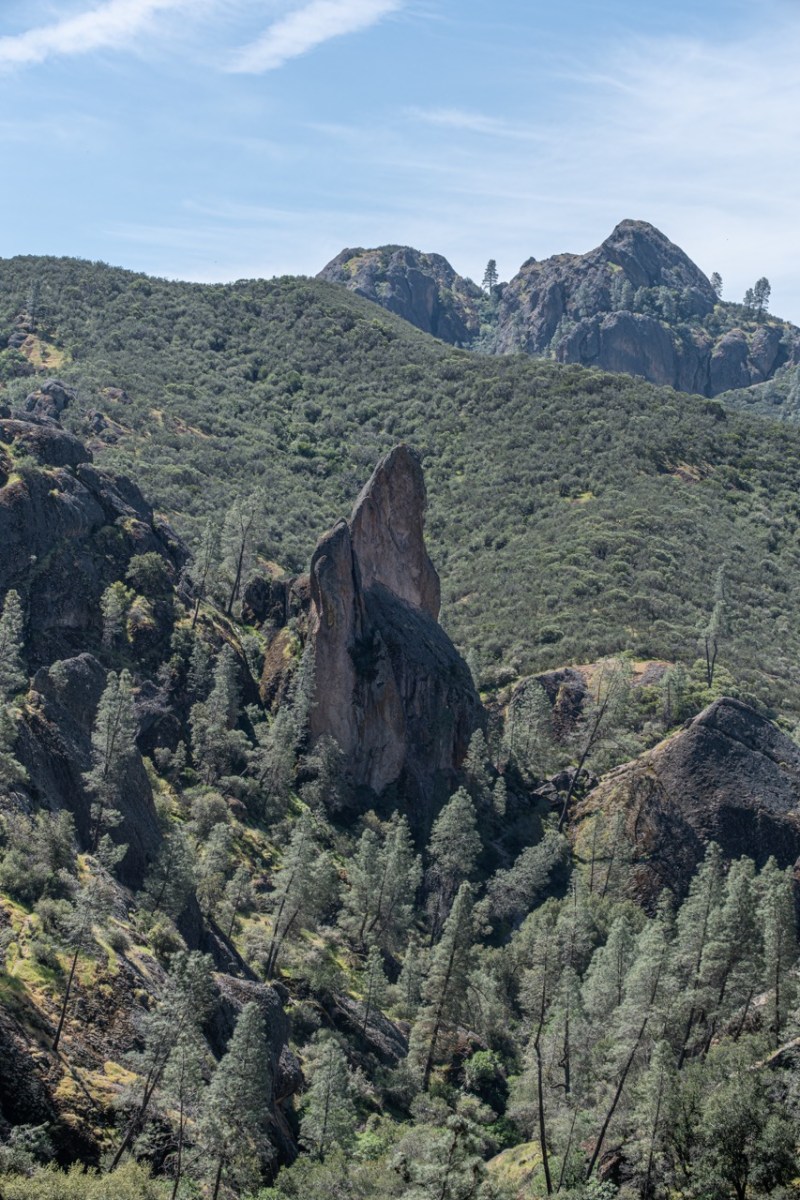
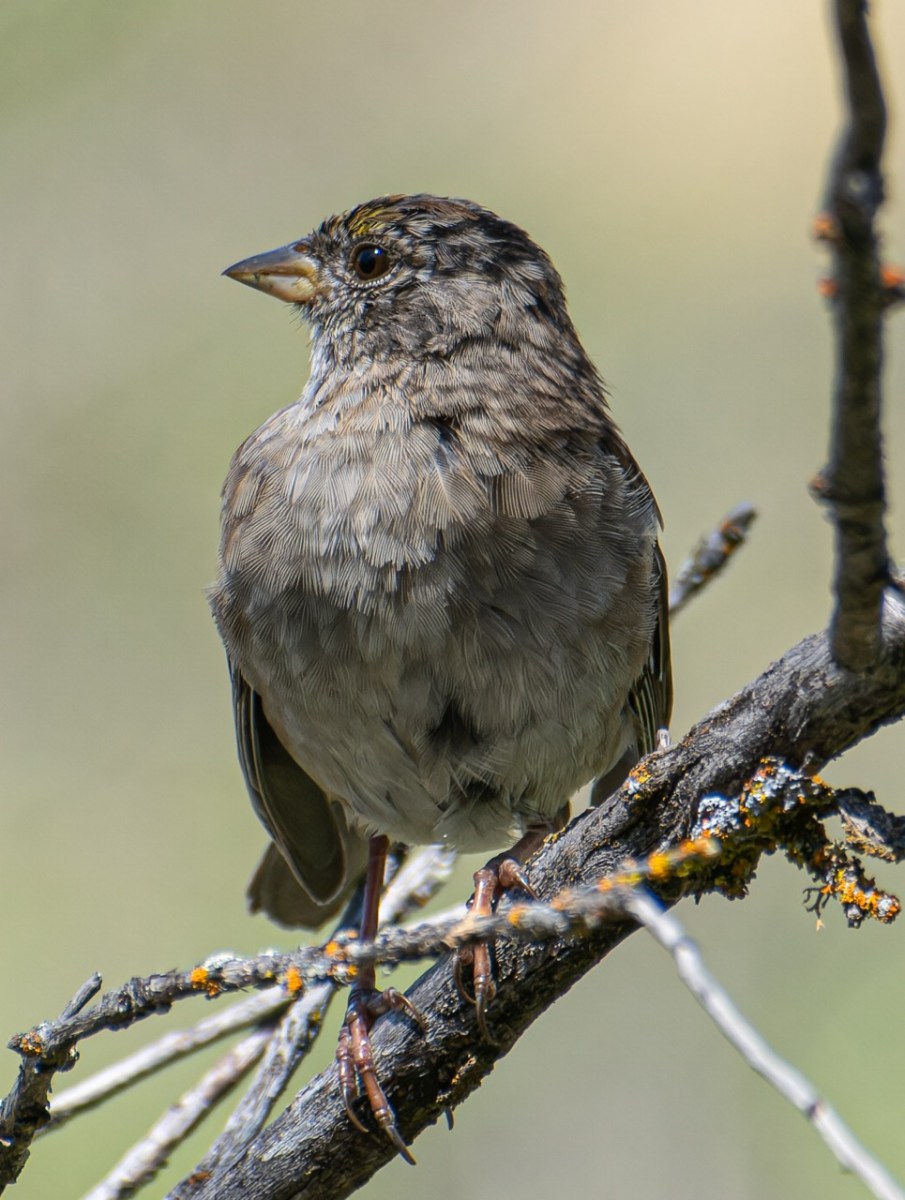
A golden-crowned sparrow — the first of a few — and a California condor sighting to bookend the trip, right where it started.
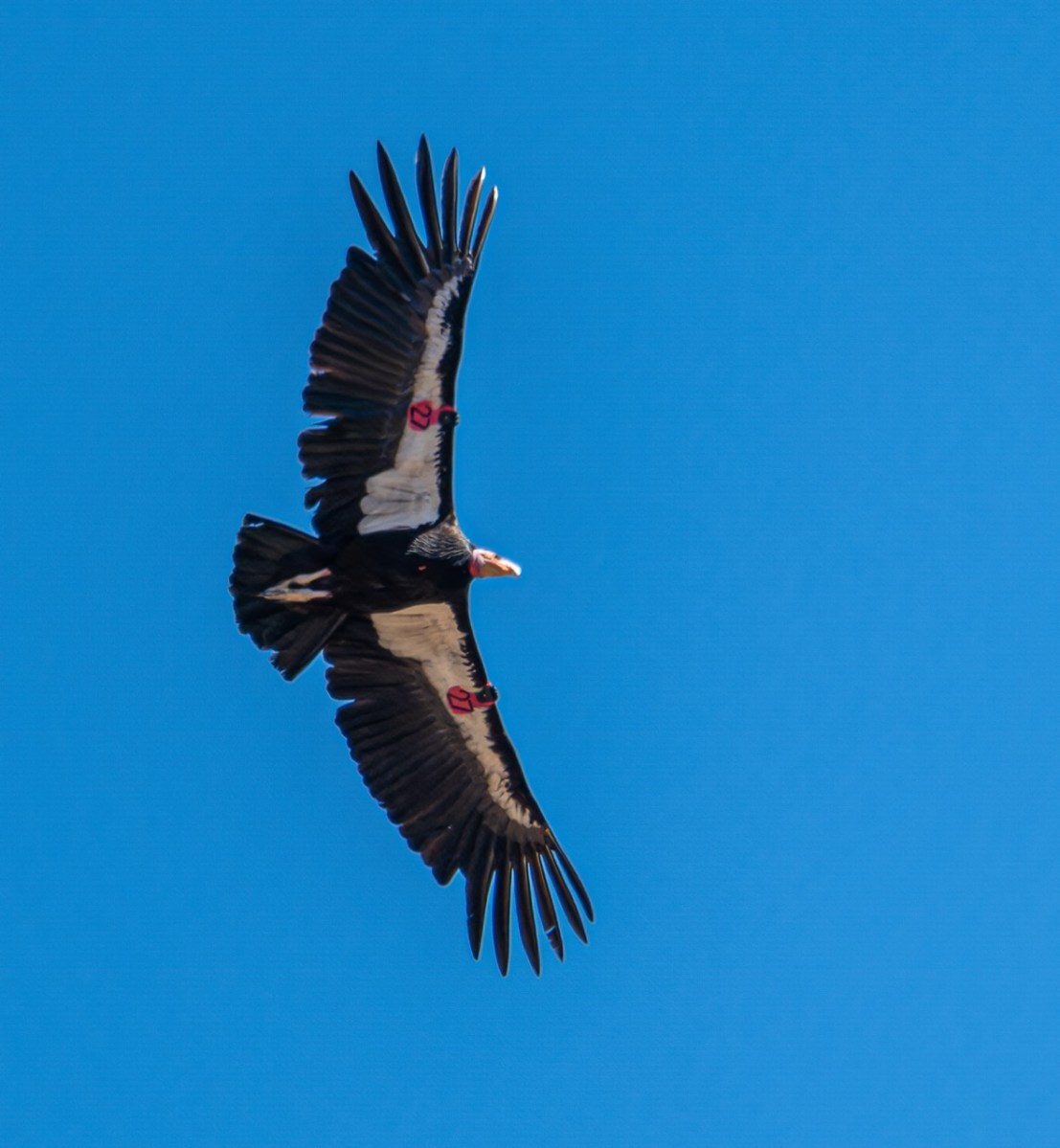
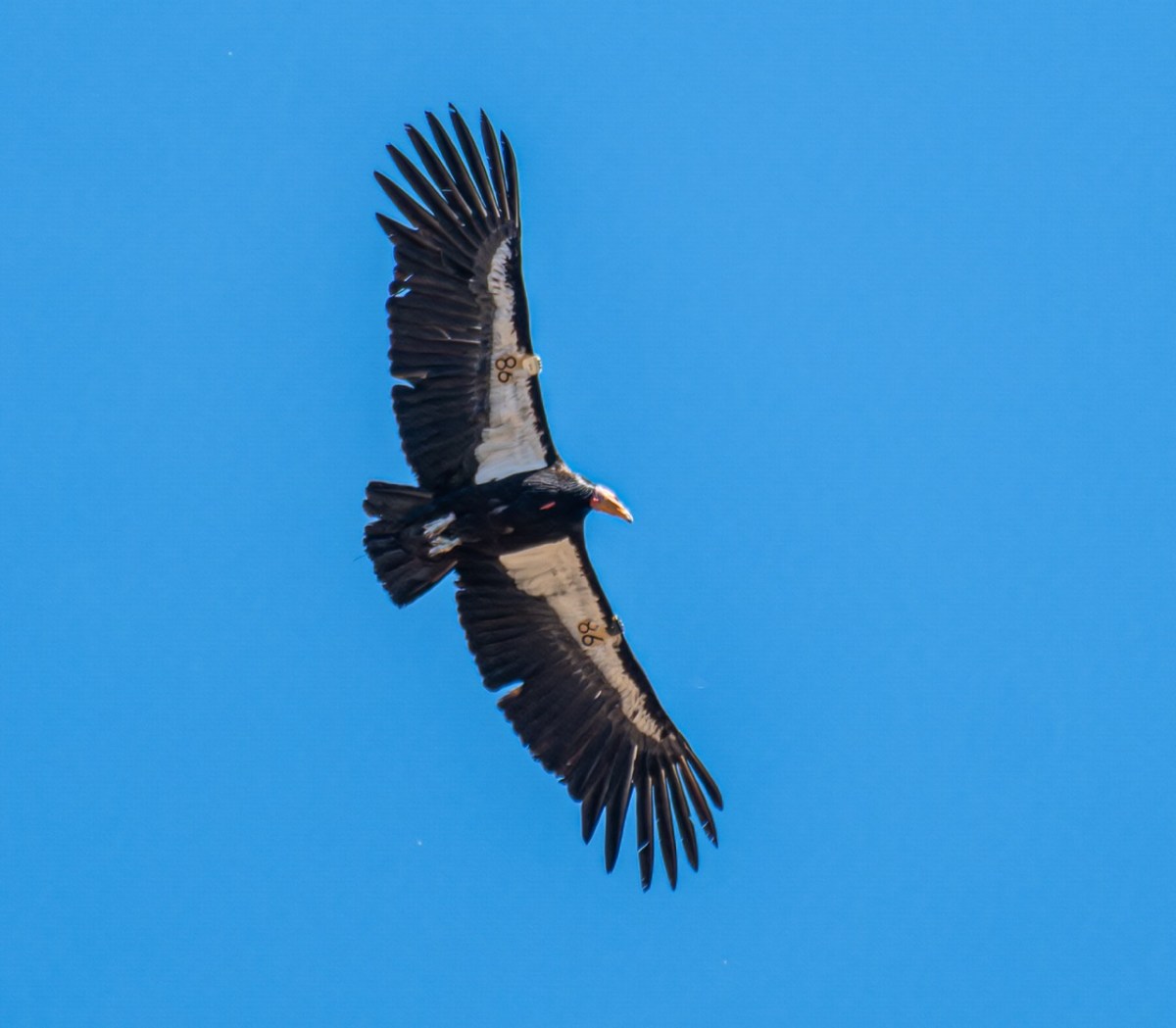
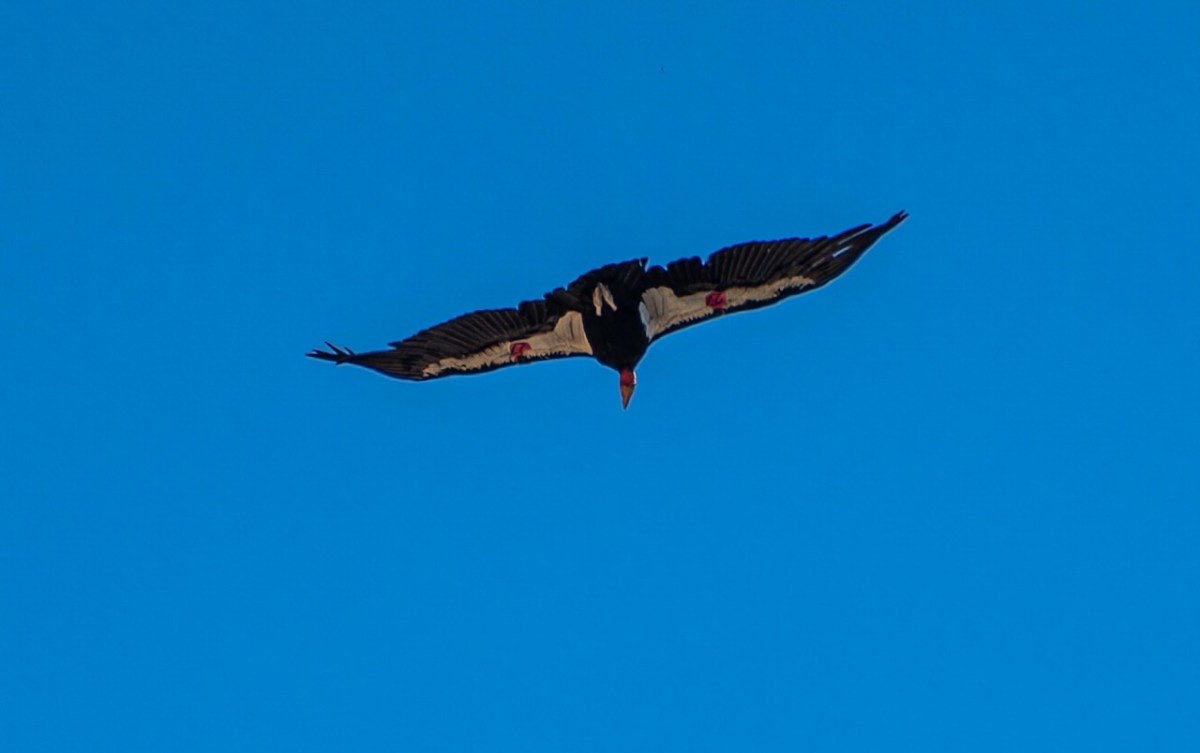
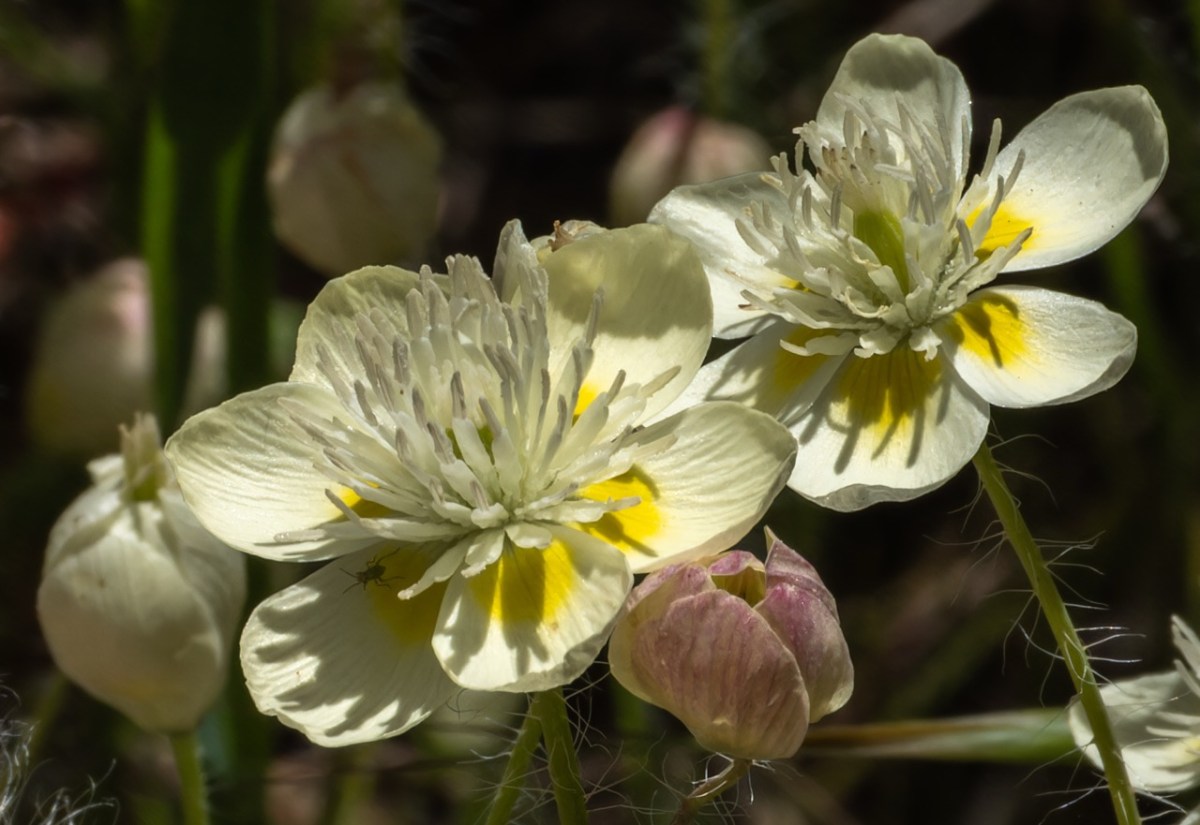
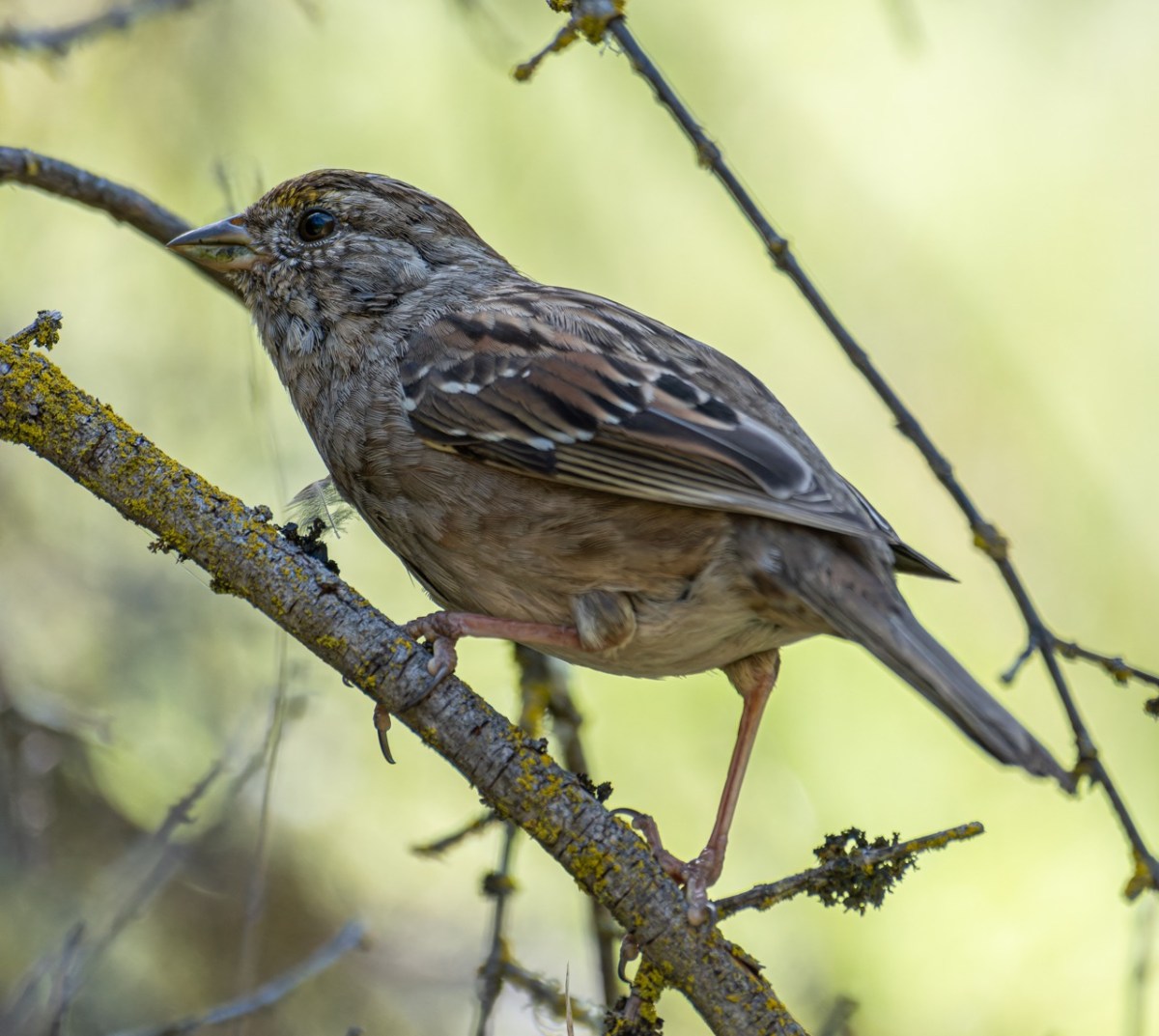
Cream cups and another golden-crowned sparrow to close out the wildflower and bird count for the trip.
Two very different parks either side of a wildflower-filled middle day — hard to think of a better way to spend three days out.


Leave a Reply